
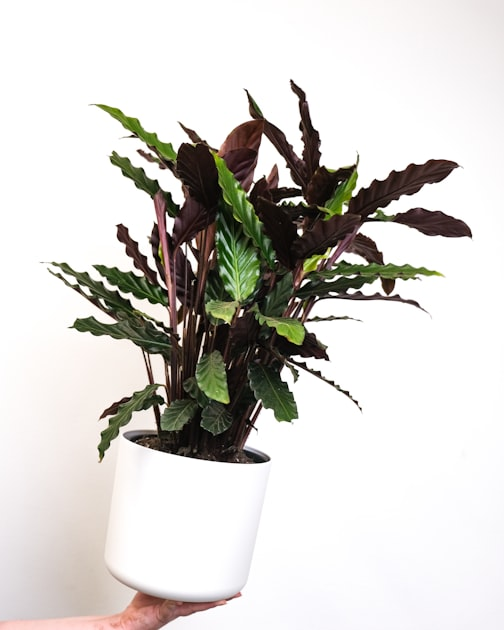
You’ve dealt with spider mites twice this year. Aphids attacked your pothos. Scale ruined your fiddle leaf fig. You’re tired of fighting pest after pest.
You want to know how to stop pests before they start.
Here’s the truth most houseplant guides won’t tell you: Most pest infestations are completely preventable. The bugs don’t materialize out of thin air. They arrive on new plants you bring home. They spread from one infested plant to your whole collection because you didn’t catch them early.
Prevention beats treatment every time. Treating spider mites takes weeks of aggressive spraying. Preventing them takes 30 seconds of inspection when you buy a plant.
This guide gives you the complete pest prevention system. You’ll learn the quarantine protocol that stops 90% of infestations before they spread. You’ll get the inspection checklist that catches pests before you even bring plants home. You’ll understand which prevention methods actually work versus which are myths.
Follow this system and you’ll almost never deal with houseplant pests again. The few that slip through will be caught so early that treatment takes minutes instead of weeks.
Why Prevention Works Better Than Treatment
Most people wait until they see pests then scramble to treat them. By then you have hundreds of bugs reproducing on your plant. Treatment requires multiple pesticide applications over weeks. Some plants don’t survive the infestation or the aggressive treatment.
Prevention flips this approach. You stop pests from ever establishing on your plants. No bugs means no damage, no treatment chemicals, no dead plants, and no wasted time fighting infestations.
The economics favor prevention too. A 30-day quarantine costs you nothing except space. Treating spider mites costs 20-40 dollars in products plus hours of labor spraying every few days. Prevention is free. Treatment is expensive.
Prevention also protects your entire collection. One infested plant spreads pests to nearby plants. Within weeks you’re treating five plants instead of one. Preventing that initial infestation protects everything.
The effort difference is huge. Prevention takes 5 minutes per week inspecting plants. Treatment takes hours per week for several weeks applying pesticides, wiping leaves, and monitoring progress.
Finally, prevention avoids plant damage completely. Treated plants often lose leaves, show stunted growth, or never quite recover. Plants that never get infested stay healthy and vigorous.
The case for prevention is overwhelming once you’ve battled a few pest outbreaks. The question becomes why anyone would skip prevention and just treat problems as they arise.
The Quarantine Protocol That Stops 90% of Infestations
New plants are the number one source of houseplant pests. The plant you bought yesterday might carry spider mite eggs, hidden scale insects, or aphids in new growth. You don’t see them at the store. They become obvious two weeks after you bring the plant home. By then they’ve spread to three other plants.
Quarantine prevents this. Every new plant gets isolated from your collection for a minimum period. During quarantine, pests on the new plant reveal themselves. You catch and eliminate them before they spread.
The Basic Quarantine Protocol:
Bring the new plant home. Don’t place it with your other plants. Put it in a completely separate room. A bathroom, spare bedroom, or laundry room works well.
Keep the new plant isolated for 21-30 days minimum. Three weeks lets most pests complete a reproductive cycle. Hidden eggs hatch. Tiny invisible nymphs grow large enough to see.
Inspect the quarantined plant every 3-4 days. Look closely at leaf undersides, new growth, stems, and soil. You’re watching for pests to reveal themselves.
After 21-30 days with zero pest signs, the plant joins your collection. Any pests that were present showed themselves during quarantine. You treated them before they could spread.
Why 21-30 Days:
Most common houseplant pests complete their lifecycle in 10-20 days. Spider mites go from egg to adult in 7-10 days. Aphids mature in 7-14 days. Fungus gnats complete their cycle in 14-18 days.
A 21-day quarantine ensures at least one complete generation. Any eggs present on arrival hatch and become visible adults. You see the problem before the plant joins your collection.
Some people use 14-day quarantine. This catches many pests but misses some with longer cycles. The extra week makes quarantine much more effective.
Setting Up Quarantine Space:
You need a spot away from other plants. Separate room is best but at minimum 6 feet from your nearest plant.
The space needs adequate light for the quarantined plant. Don’t stick shade-loving plants in a dark closet for a month. Provide appropriate light for that plant type. A bright bathroom or well-lit spare room works for most plants.
Keep a spray bottle, magnifying glass, and rubbing alcohol in your quarantine area. These let you inspect thoroughly and treat any pests you find immediately.
What If You Find Pests During Quarantine:
This is the system working. You caught pests before they spread. Treat the infested plant aggressively. Don’t rush it into your collection after treatment. Restart the 21-day quarantine from the treatment date. You need to confirm all pests are eliminated before the plant joins other plants.
Exceptions to Quarantine:
None. Every new plant gets quarantined. Even if it’s from a reputable nursery. Even if it looks perfectly clean. Even if you’re impatient. No exceptions.
The one time you skip quarantine is the time that plant has pests. It’s not worth the risk.
How to Inspect Plants for Pests Before Buying
Quarantine catches pests after purchase. But you can avoid buying infested plants in the first place through careful inspection.
The Pre-Purchase Inspection:
Look at the entire plant before putting it in your cart. Check multiple plants of the same type. Don’t grab the first one you see.
Step 1: Check New Growth
Look at the newest leaves and stems. Many pests prefer tender new growth. Hold leaves up to light. Look for tiny moving specks, clusters of insects, or webbing.
Aphids cluster on new growth and flower buds. You’ll see small green, black, or white soft-bodied insects.
Thrips hide in developing leaves. Look for silver streaks or tiny black insects on new leaves.
Step 2: Flip Leaves Over
Most pests hide on leaf undersides. Flip several leaves and inspect carefully. Use your phone flashlight for better visibility.
Spider mites create fine webbing between leaf and stem. You might see tiny moving dots. Stippled or speckled appearance on leaves indicates mites.
Whiteflies cluster on undersides. Disturb the plant and white flying insects emerge if present.
Step 3: Examine Stems
Run your finger along stems. Feel for bumps or irregularities. Look closely at stems with your phone light.
Scale insects look like small brown or tan bumps attached to stems. They don’t move. Try to gently scrape one off. If it pops off leaving a dent, it’s scale not a natural plant feature.
Mealybugs appear as white fuzzy spots in stem joints and where leaves attach.
Step 4: Check the Soil
Look at the soil surface. See tiny white insects jumping around? Springtails or soil mites. Generally harmless but some people don’t want them.
See tiny flying insects near the soil? Probably fungus gnats. These breed in wet soil and indicate overwatering.
Sticky yellow cards in the pot indicate the nursery is treating for pests. The plant might currently be infested.
Step 5: Inspect Drainage Holes
Flip the pot over. Look at drainage holes. Roots growing out indicate a rootbound plant which isn’t necessarily bad.
Look for insects crawling out of drainage holes. Scale, mealybugs, or other pests sometimes hide in this protected area.
Red Flags to Avoid:
Sticky residue on leaves. This is honeydew from sap-sucking pests. Don’t buy.
Webbing between leaves or on stems. Spider mites. Don’t buy.
Visible insects of any kind. Don’t buy.
Silver streaks or deformed new leaves. Thrips damage. Don’t buy.
White fuzzy spots anywhere on the plant. Mealybugs. Don’t buy.
Plants with these signs are already infested. Treating them is your problem once you buy. Leave them at the store.
Store Considerations:
Big box stores often have pest problems because staff isn’t trained to recognize or treat infestations. Inspect extra carefully at these locations.
Specialty nurseries generally have better pest management but still inspect thoroughly. No nursery is completely pest-free.
Online plant purchases are risky. You can’t inspect before buying. Quarantine is absolutely essential for shipped plants.
Weekly Inspection to Catch Pests Early
Even with perfect quarantine, occasional pests slip through or develop from spores and eggs already in your home. Weekly inspection catches these before they become infestations.
The Weekly Inspection Routine:
Pick one day per week. Saturday morning or Sunday afternoon works for most people. Make it a habit like watering.
Inspect each plant for 30-60 seconds. For a collection of 10-20 plants, this takes 10-15 minutes total. Not a huge time investment.
What to Look For:
New growth changes. Are new leaves developing normally? Curled, deformed, or discolored new leaves often indicate pest feeding.
Webbing. Fine silk threads between leaves and stems indicate spider mites. Catch them at this stage when you have 10 mites instead of 1000.
Sticky leaves. Run your hand over leaves. Sticky residue means sap-sucking pests are present.
Visible insects. Look at leaf undersides and stems. See anything moving? Investigate.
Unexplained leaf damage. Holes, silver streaks, brown spots appearing suddenly warrant closer inspection.
The 80/20 Rule:
Spend 80% of inspection time on 20% of plants. Some plants are pest magnets. Fiddle leaf figs get scale. Roses get spider mites. Any plant that’s had pests before gets extra scrutiny.
Plants that are consistently clean need less inspection time. But don’t skip them completely.
Using Tools:
Keep a magnifying glass near your plants. Tiny pests become clearly visible when magnified. You catch infestations at 5 bugs instead of 500.
A white piece of paper helps too. Hold it under a branch and shake. Anything falling off becomes visible on the white background.
Your phone flashlight reveals pests hiding in shadows. Backlight leaves to see pests as silhouettes.
What Early Detection Looks Like:
You’re inspecting your pothos. You flip a leaf and see three aphids on the underside. You wipe them off with your finger. Problem solved in 5 seconds.
That’s early detection. Three aphids are nothing. Three hundred aphids require aggressive treatment. Weekly inspection keeps you at the three aphid stage.
Natural Prevention Methods That Actually Work
Some prevention methods have scientific backing. Others are myths that waste your time.
What Works:
Neem Oil Spray
Neem oil has mild insecticidal and repellent properties. Apply diluted neem oil spray monthly during growing season.
Mix 2 tablespoons cold-pressed neem oil plus 1 teaspoon liquid soap per quart of water. Spray all leaf surfaces. The neem is absorbed by the plant and makes it less appealing to pests.
This isn’t a guarantee. But it reduces pest establishment rates. Think of it like taking vitamin C during flu season. It helps but isn’t foolproof.
Cleaning Leaves
Wipe leaves with a damp cloth monthly. This removes dust where pests hide and lets you inspect closely. Clean leaves are less attractive to pests than dusty dirty leaves.
The physical act of wiping also removes pest eggs before they hatch.
Proper Watering
Overwatered plants attract fungus gnats. The wet soil is perfect for their larvae. Water only when appropriate for each plant type. Let soil dry between waterings.
Well-watered healthy plants also resist pests better than drought-stressed plants. Find the right balance for each species.
Air Circulation
Run a small fan in plant rooms. Moving air makes it harder for pests to establish. Spider mites especially hate moving air. They thrive in still stagnant conditions.
Space plants apart so air can circulate. Don’t create dense jungles where pests can hide.
What Doesn’t Work:
Banana Peels
Supposed to repel pests. They don’t. They attract fruit flies and mold. Skip this completely.
Coffee Grounds
No pest repellent properties. They change soil pH which might affect plant health but they don’t prevent bugs.
Cinnamon
Sometimes recommended as pest deterrent. Cinnamon has mild antifungal properties for soil but doesn’t prevent insect pests on leaves.
Garlic or Hot Pepper Spray
Minimal effectiveness. The concentrations needed to actually repel pests often damage plants. Not worth the effort.
Essential Oils
Peppermint oil, tea tree oil, and others are touted as natural pest prevention. The evidence is weak. Most essential oils at effective concentrations harm plants. At safe concentrations they do very little.
Stick with proven methods. Don’t waste time on folk remedies with no evidence.
Maintaining Plant Health to Resist Pests
Healthy plants have natural defenses against pests. Stressed plants are pest magnets. Maintain health and you prevent many infestations automatically.
Provide Proper Light:
Each plant has specific light needs. Too little light weakens the plant. It can’t produce energy to maintain defenses. Pests attack weakened plants preferentially.
Research each plant’s light requirements. Provide appropriate light intensity and duration.
Water Correctly:
Both overwatering and underwatering stress plants. Stressed plants emit chemical signals that attract pests. It’s like advertising your weakness.
Learn each plant’s water needs. Check soil moisture before watering. Water when appropriate, not on a schedule.
Fertilize Appropriately:
Undernourished plants lack resources to defend themselves. But over-fertilized plants create lush tender growth that aphids love.
Fertilize during growing season at recommended rates. Not more, not less. Too much nitrogen particularly attracts sap-sucking pests.
Maintain Proper Temperature:
Temperature stress weakens plants. Keep most houseplants between 60-80 degrees F. Avoid placing them near cold drafts, heating vents, or air conditioning.
Repot When Needed:
Rootbound plants stressed from lack of space attract pests. Repot every 18-24 months or when roots completely fill the pot.
Old depleted soil also stresses plants. Fresh soil every couple years keeps plants healthy and resistant.
The Complete Prevention Checklist
Use this checklist to build your prevention routine.
When Buying Plants:
Inspect thoroughly before purchase. Check new growth, leaf undersides, stems, and soil. Look for visible pests, webbing, sticky residue, or damage. Don’t buy plants showing pest signs. Choose the healthiest cleanest specimen available.
Bringing Plants Home:
Quarantine every new plant for 21-30 days minimum. Keep in separate room from existing plants. Inspect every 3-4 days during quarantine. Look for pests emerging. Treat any found immediately and restart quarantine. Only add to collection after full quarantine period with zero pest signs.
Weekly Maintenance:
Inspect all plants once per week. Focus on new growth, leaf undersides, and stems. Look for pest signs, webbing, sticky residue, or damage. Wipe leaves monthly with damp cloth. Check soil moisture before watering.
Monthly Prevention:
Apply diluted neem oil spray to all plants. Mix 2 tablespoons neem plus 1 teaspoon soap per quart water. Spray all leaf surfaces. Clean leaves thoroughly to remove dust. Check each plant’s health and adjust care if needed.
Ongoing Habits:
Maintain proper light, water, and nutrition for each plant type. Improve air circulation with fans or plant spacing. Remove dead leaves and plant debris promptly. Sterilize tools between plants with rubbing alcohol. Space plants apart so they don’t touch.
Your Prevention Action Plan
Start your pest prevention system today.
Action 1: Set up quarantine space this week. Designate a room or area for new plant quarantine. Make sure it has adequate light. Get a spray bottle and magnifying glass for the space.
Action 2: Inspect your current collection. Check every plant you own right now. Look for any current pest problems. Treat anything you find before starting prevention routine.
Action 3: Schedule weekly inspection. Pick a specific day and time. Add it to your calendar. Make it a recurring event. Commit to this schedule.
Action 4: Get neem oil for monthly treatment. Buy cold-pressed neem oil and liquid soap. Plan your first monthly application.
Action 5: Research your plants’ needs. Know the proper light, water, and care for each plant you own. Adjust care to maintain health.
Action 6: Commit to quarantine. Make a rule: every new plant gets quarantined, no exceptions. This single habit prevents most pest problems.
Prevention is boring. It’s not exciting like rescuing a dying plant or battling a pest outbreak. But boring prevention means you never have those crises. Your plants stay healthy. You spend time enjoying them instead of treating them. That’s worth the small effort prevention requires.
FAQ: Houseplant Pest Prevention
Q: How long should I quarantine new houseplants?
Quarantine new plants for 21-30 days minimum. This lets most pests complete at least one reproductive cycle. Hidden eggs hatch during quarantine and become visible adults before the plant joins your collection. Three weeks catches most common pests including spider mites, aphids, mealybugs, and fungus gnats. Some people use 14 days but 21 days is more effective. Never skip quarantine, even for plants from reputable nurseries.
Q: What’s the best way to inspect plants for pests?
Check new growth first where many pests cluster. Flip leaves over to inspect undersides where most pests hide. Run your fingers along stems feeling for bumps that might be scale. Look for webbing, sticky residue, or visible insects. Use a magnifying glass to see tiny pests clearly. Shake the plant over white paper to dislodge hidden insects. Use your phone flashlight to illuminate shaded areas. This inspection takes 30-60 seconds per plant.
Q: How often should I check houseplants for bugs?
Inspect plants weekly. Pick a specific day like Saturday morning and check your entire collection. Weekly inspection catches pest problems when you have 5-10 bugs instead of 500. Spend 30-60 seconds per plant looking at new growth, leaf undersides, and stems. For a collection of 10-20 plants this takes 10-15 minutes weekly. Early detection makes treatment easy or unnecessary.
Q: Does neem oil prevent pests on houseplants?
Neem oil has mild insecticidal and repellent properties. Apply diluted neem oil spray monthly to reduce pest establishment rates. Mix 2 tablespoons neem plus 1 teaspoon soap per quart water. Spray all leaf surfaces. This isn’t a guarantee but it helps. Think of it like preventive medicine, not a cure. Combine neem oil with quarantine and weekly inspection for best results.
Q: How do I keep houseplants pest-free?
Quarantine all new plants for 21-30 days. Inspect plants weekly for early pest signs. Maintain plant health with proper light, water, and nutrition. Improve air circulation around plants. Wipe leaves monthly to remove dust and pest eggs. Apply diluted neem oil spray monthly during growing season. Remove dead leaves promptly. Sterilize tools between plants. These combined practices prevent 90% of pest problems.
Q: What should I look for when checking plants for pests before buying?
Inspect new growth for clusters of insects or deformed leaves. Flip leaves over to check undersides for pests or webbing. Run your finger along stems feeling for bumps. Look at soil for flying insects. Check for sticky residue on leaves which indicates sap-sucking pests. Look for silver streaks or stippling damage. Don’t buy plants with visible pests, webbing, sticky leaves, or pest damage. Choose the cleanest healthiest specimen.
Q: Can healthy plants resist pests?
Yes, healthy vigorous plants have natural defenses that resist pest establishment. Stressed plants emit chemical signals that attract pests. Provide proper light, appropriate watering, correct fertilization, and suitable temperatures. Repot when needed to prevent rootbound stress. Healthy plants still can get pests but they resist infestations better and recover faster than stressed plants. Prevention starts with good basic care.
Q: Why do my houseplants keep getting pests?
Most repeat pest problems come from one of three sources: bringing home new infested plants without quarantine, not catching pests early during weekly inspections, or having stressed plants that attract pests. Start quarantining every new plant for 21-30 days. Inspect your current plants weekly to catch pests at 5 bugs instead of 500. Improve care for stressed plants. These three changes eliminate most recurring pest problems.
Q: Are there natural ways to prevent houseplant pests?
Yes. Quarantine new plants for 21-30 days. Inspect plants weekly for early detection. Maintain plant health with proper care. Improve air circulation with fans. Wipe leaves monthly. Apply diluted neem oil spray monthly. Space plants apart. Remove dead plant material promptly. These natural prevention methods work better than waiting to treat infestations. Most work with zero cost except time and attention.
Q: Do I really need to quarantine every new plant?
Yes, no exceptions. Even plants from specialty nurseries can carry pests. Even plants that look perfectly clean can have hidden eggs or tiny pest populations. The one time you skip quarantine is often the time that plant has pests. A 21-day quarantine prevents that one infested plant from spreading bugs to your entire collection. It’s the single most effective pest prevention measure. Always quarantine.
Q: How do I prevent spider mites on houseplants?
Increase air circulation with fans. Spider mites hate moving air. Maintain adequate humidity above 40%. Wipe leaves monthly to remove dust where mites hide. Inspect plants weekly catching the first few mites before they explode into thousands. Quarantine new plants for 30 days. Keep plants healthy and properly watered. Consider monthly neem oil spray during dry months. These combined measures prevent most spider mite infestations.
Q: What’s the most common way houseplants get pests?
New plants brought home from stores or nurseries are the number one pest source. The plant arrives with a small unnoticed pest population. You place it with your collection. Within 2-3 weeks the pests multiply and spread to nearby plants. This is why quarantine is so critical. Isolate every new plant for 21-30 days. Any pests present reveal themselves during quarantine before spreading to your collection.
Comments
5 responses
terbinafine antifungal activity
terbinafine antifungal activity
acular ketorolac ophthalmic guide
acular ketorolac ophthalmic guide
ivermectin rosacea medical overview
ivermectin rosacea medical overview
minoxidil mechanism authoritative overview
minoxidil mechanism authoritative overview
minoxidil men’s coverage improvement
minoxidil men’s coverage improvement