
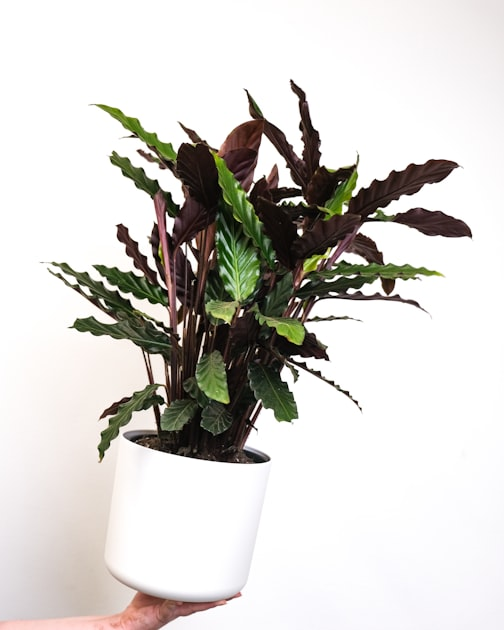
You bought neem oil to treat pests. You mixed it up and sprayed your plants. The next morning you see brown spots on the leaves. The plant looks worse than before.
What went wrong?
Neem oil works. But most people use it incorrectly. They use too much. They spray in direct sunlight. They don’t mix it properly. The results range from ineffective treatment to serious leaf damage.
Here’s what you need to know: Neem oil is not a miracle cure. It’s a mild organic pesticide and fungicide that works on some pests and prevents others. Used correctly at the right concentration, it helps control infestations without harsh chemicals. Used incorrectly, it burns leaves and accomplishes nothing.
This guide shows you exactly how to mix neem oil properly, when to apply it, which pests it actually works on, and how to avoid the common mistakes that damage plants. You’ll learn the difference between raw neem oil and clarified hydrophobic neem extract, why concentration matters, and which plants can’t tolerate neem treatment.
Follow this protocol and neem oil becomes a useful tool in your pest control routine. Ignore these guidelines and you’ll join the many frustrated plant owners who say neem oil doesn’t work or ruins their plants.
What Neem Oil Actually Is and How It Works
Neem oil comes from seeds of the neem tree, native to India. The oil contains azadirachtin, the active compound that affects insects. Cold-pressed neem oil contains 1500-2500 ppm of azadirachtin. Clarified hydrophobic neem extract contains much less because the azadirachtin is removed during processing.
For houseplant pest control, you want cold-pressed neem oil with high azadirachtin content. This is the effective form. The clarified extract sold as “neem oil leaf shine” is mostly for cosmetic purposes and has minimal pest control properties.
Neem oil works through multiple mechanisms. It suffocates soft-bodied insects by coating them and blocking their breathing pores. It disrupts insect hormones, preventing them from molting to the next life stage. It acts as a feeding deterrent, making treated plants taste bad to insects. And it has mild antifungal properties that help prevent some fungal diseases.
Important point: Neem oil does not kill instantly like synthetic pesticides. It works slowly over days or weeks. You won’t see dead insects covering your plant hours after application. The pests stop feeding, fail to reproduce, and die gradually.
This slow action frustrates people who expect instant results. They spray once, see live pests the next day, and declare neem oil doesn’t work. But neem requires patience and repeated applications to be effective.
The oil also provides some systemic protection. When sprayed on leaves, some neem is absorbed into plant tissue. This makes the plant itself slightly toxic or unpalatable to feeding insects for a week or so.
Neem oil has limitations. It works best on soft-bodied pests like aphids, whiteflies, and spider mites. It’s less effective on hard-shelled pests like scale insects. It doesn’t kill pest eggs. And it breaks down quickly in sunlight, losing effectiveness within a few days.
Understanding these properties helps set realistic expectations. Neem oil is a useful organic option for mild to moderate pest problems. It’s not a miracle solution for severe infestations.
How to Mix Neem Oil Properly
Incorrect mixing is the number one cause of neem oil problems. Too concentrated and it burns leaves. Too diluted and it doesn’t work. Not mixed properly and the oil separates creating uneven application.
The Standard Recipe:
For most houseplant pest control, mix 2 tablespoons of cold-pressed neem oil per quart of water. This creates roughly a 2% neem oil solution, the sweet spot for effectiveness without excessive leaf damage risk.
You also need an emulsifier. Neem oil doesn’t dissolve in water. It floats on top. The emulsifier helps oil and water mix into a stable solution.
Use 1 teaspoon of liquid soap per quart as your emulsifier. Castile soap, unscented dish soap like Dawn original, or insecticidal soap all work. Avoid soaps with added moisturizers, fragrances, or antibacterial agents.
Mixing Process:
Fill a quart spray bottle about one quarter full with lukewarm water. Add 1 teaspoon liquid soap. Shake to mix the soap in water.
Add 2 tablespoons neem oil. Shake vigorously for 30-60 seconds. The solution should turn milky white or cream colored. This cloudiness shows the oil has emulsified with water.
Add remaining water to fill the bottle. Shake again for 30 seconds.
Shake Before Each Use:
Even properly emulsified neem oil separates over time. Shake the bottle immediately before every spray. If you stop spraying for a minute, shake again before resuming. The separation happens fast.
Storage:
Mixed neem oil solution degrades within 8 hours. Don’t make a big batch and store it. Mix only what you’ll use that day. Leftover solution loses effectiveness and should be discarded.
Store unmixed neem oil in a cool dark place. Don’t refrigerate, as cold makes neem oil solidify. Room temperature in a cupboard away from light works best.
Concentration Adjustments:
For preventive applications or sensitive plants, use 1 tablespoon neem oil per quart. This 1% solution is gentler.
For severe pest infestations on tough plants, you can increase to 3 tablespoons per quart. But test on one leaf first. This stronger solution increases burn risk.
Never use neem oil straight or at concentrations above 4%. You will damage your plants.
How to Apply Neem Oil Without Burning Leaves
Application technique matters as much as proper mixing. Follow these rules to avoid leaf damage.
Rule 1: Never Spray in Direct Sunlight
This is the most common mistake. Neem oil droplets on leaves act like tiny magnifying glasses in sunlight. They focus light and heat, burning the leaf tissue underneath.
Always spray in the evening after the sun goes down. Or spray early morning if the plant won’t be in direct sun for several hours. Evening application is safest.
Rule 2: Spray Until Dripping
Effective neem oil application requires thorough coverage. Spray all leaf surfaces, tops and bottoms, until they’re dripping wet. Spray stems too.
The oil needs to contact pests to work. Light misting that leaves leaves slightly damp won’t cut it. You need saturation.
Rule 3: Focus on Leaf Undersides
Most pests hide on undersides of leaves. Spray from below, angling up to hit undersides thoroughly. This is where your application needs to be most thorough.
Rule 4: Don’t Spray Flowers
Neem oil can damage flower petals and buds. If your plant is blooming, avoid spraying flowers. Focus treatment on foliage and stems.
Rule 5: Test Sensitive Plants
Some plants don’t tolerate neem oil well. Before treating the whole plant, spray one leaf as a test. Wait 24-48 hours. Check for browning, yellowing, or spots. If the test leaf looks fine, proceed with full application.
Sensitive plants include ferns, calatheas, some succulents, and plants with fuzzy or hairy leaves.
Rule 6: Temperature Matters
Don’t apply neem oil when temperatures are above 90 degrees F or below 40 degrees F. The ideal temperature range is 60-80 degrees F.
High temperatures increase the risk of leaf burn. Very cold temperatures make the oil less effective.
Rule 7: Don’t Overapply
More neem oil doesn’t mean better results. Spraying every 2-3 days is too frequent. Follow the recommended schedule based on what you’re treating.
Recognizing Neem Oil Burn:
Neem burn appears as brown or yellow spots on leaves within 24-48 hours of application. The spots often have a water-soaked appearance initially then turn brown and crispy.
Burn happens most often on new tender growth. If you see burn developing, discontinue neem oil use on that plant. Switch to a different treatment method.
What Pests Neem Oil Actually Works On
Neem oil is not effective against all pests. Know what it treats well versus what needs different approaches.
Works Well:
Aphids: Neem oil is quite effective on aphids. The oil coats their soft bodies and disrupts feeding. Apply every 5-7 days for 3 weeks. You should see significant reduction in aphid populations.
Spider Mites: Neem has moderate effectiveness on spider mites. It works better as a preventive than a treatment for established infestations. For active mite problems, combine neem with increased humidity and physical removal for best results.
Whiteflies: Neem works on whitefly nymphs that are stationary on leaf undersides. Adults fly away when you spray but the nymphs get coated and die. Requires repeated applications every 5 days for 3 weeks to catch multiple generations.
Fungus Gnats: Neem works differently on fungus gnats. The adults aren’t affected by leaf spray. But if you water with diluted neem solution, it kills larvae in the soil. Mix 2 tablespoons neem per gallon of water and use this to water the plant. The neem-treated soil becomes toxic to gnat larvae.
Thrips: Neem has mild to moderate effectiveness on thrips. It works better on younger nymphs than adults. Combine with other treatments for severe thrips infestations.
Works Poorly:
Scale Insects: Neem oil has minimal effect on scale. The hard protective shell blocks the oil from reaching the insect body. Scale requires physical removal or stronger insecticides.
Mealybugs: Neem has limited effectiveness on mealybugs. The waxy coating protects them similarly to scale. Physical removal with alcohol swabs works better.
Root Rot Fungi: While neem has antifungal properties, it doesn’t cure root rot. Once roots are rotted, you need to cut away affected roots and repot in fresh soil.
Prevents:
Neem oil works better as a preventive than a cure. Monthly neem spray during growing season helps prevent pest establishment. The treated plants are less attractive to pests looking for new hosts.
Think of neem as preventive medicine that also treats mild infections. It’s not emergency medicine for severe crises.
Application Schedule for Different Problems
How often you apply neem depends on what you’re treating.
For Active Pest Infestations:
Spray every 5-7 days for 3-4 weeks minimum. This catches multiple generations as eggs hatch. Neem doesn’t kill eggs so you need repeated applications.
Week 1: Initial spray, kills or disrupts adults and nymphs present. Week 2: Second spray, catches newly hatched insects from eggs. Week 3: Third spray, catches any remaining stragglers. Week 4: Fourth spray if pests are still visible.
After the initial 3-4 week treatment, monitor closely. If pests return, resume weekly spraying.
For Fungus Gnats in Soil:
Water with neem solution every 7-10 days for 3 weeks. Allow soil to dry appropriately between neem waterings. Don’t keep soil constantly wet.
Week 1: First neem watering kills existing larvae. Week 2: Second watering catches newly hatched larvae. Week 3: Third watering ensures complete elimination.
Combine with letting soil dry more between waterings and using yellow sticky traps for adults.
For Prevention:
Spray once per month during active growing season, typically April through September. Skip winter months when plants are semi-dormant and pest pressure is lower.
This preventive schedule reduces pest establishment risk. It’s not a guarantee but it helps.
For Fungal Prevention:
Apply every 2 weeks if you’ve had fungal problems previously or conditions favor fungal growth. High humidity with poor air circulation creates fungal conditions.
Important Timing Note:
Always wait at least 5 days between neem applications. More frequent application increases leaf damage risk without improving effectiveness.
Plants That Don’t Tolerate Neem Well
Some plants are sensitive to neem oil and may develop leaf damage even with correct concentration and application.
Sensitive Plants:
Most ferns, especially maidenhair ferns. Thin delicate fronds burn easily.
Calatheas and other prayer plants. The thin leaves are prone to spotting.
Some succulents, particularly those with powdery coatings like Echeveria. The oil interferes with the natural coating.
Plants with fuzzy or hairy leaves like African violets. The oil gets trapped in the hairs causing damage.
Seedlings and very young plants. Tender immature tissue is more susceptible to damage.
How to Test:
Before treating any plant for the first time with neem, do a test spray. Choose one leaf on the lower part of the plant. Spray just that leaf thoroughly.
Wait 48 hours. Check the test leaf for yellowing, brown spots, or any discoloration. If the leaf looks fine, proceed with treating the whole plant. If damage appears, don’t use neem on that plant. Try a different pest control method.
Alternatives for Sensitive Plants:
Insecticidal soap works on many of the same pests as neem but is gentler on sensitive plants.
For fungus gnats on sensitive plants, use Bacillus thuringiensis israelensis instead of neem soil drench.
Physical removal with cotton swabs and rubbing alcohol works for small numbers of pests on delicate plants.
Common Neem Oil Mistakes and How to Avoid Them
People make predictable mistakes with neem oil. Avoid these for better results.
Mistake 1: Using the Wrong Product
Buying “neem oil leaf shine” or clarified neem extract instead of cold-pressed neem oil. The clarified products have minimal azadirachtin and don’t control pests effectively.
Solution: Buy pure cold-pressed neem oil. Check the label for azadirachtin content. Higher is better for pest control.
Mistake 2: Spraying in Sunlight
Applying neem oil in morning or afternoon when sun hits the plant. This causes leaf burn.
Solution: Spray in evening after sunset. This gives the oil all night to work before sun exposure.
Mistake 3: Wrong Concentration
Using neem oil too strong or too weak. Too strong burns leaves. Too weak doesn’t work.
Solution: Stick to 2 tablespoons per quart for standard applications. Measure accurately.
Mistake 4: Poor Mixing
Not shaking the bottle enough. Oil and water separate. You spray mostly water first then mostly oil later.
Solution: Shake vigorously for 30 seconds when mixing. Shake again before each spray session.
Mistake 5: Expecting Instant Results
Spraying once and expecting all pests dead the next day. Neem works slowly.
Solution: Expect to see results over 5-7 days. Plan for 3-4 applications over several weeks.
Mistake 6: Spraying Too Often
Daily or every other day application thinking more is better. This stresses plants and causes damage.
Solution: Wait minimum 5 days between applications. Every 7 days is better for most situations.
Mistake 7: Using Old Solution
Making a big batch and using it over several days or weeks. Neem solution degrades within hours.
Solution: Mix only what you need for one application. Discard leftovers.
Mistake 8: Not Treating the Whole Plant
Spraying just the tops of leaves or just the visible pests. Missing leaf undersides where most pests hide.
Solution: Spray until dripping, focusing on undersides. Thorough coverage is essential.
Should You Rinse Neem Oil Off Plants
This is a common question with different answers depending on who you ask.
The case for rinsing: Neem oil left on leaves can interfere with photosynthesis slightly. Rinsing after 12-24 hours removes residue while still giving the oil time to work.
The case against rinsing: Rinsing removes the oil before it provides full systemic absorption. Some neem continues working for days after application. Rinsing reduces this extended benefit.
The practical answer: For most situations, rinsing is optional. If you spray in the evening, the oil has 12+ hours to work before you’d rinse the next morning. That’s enough contact time for effectiveness.
Rinse if the plant will be in direct sun the next day and you’re worried about burn. Don’t rinse if the plant is in lower light or if you want maximum systemic absorption.
For soil drenches treating fungus gnats, never rinse. The neem needs to stay in the soil to kill larvae.
If you do rinse, wait at least 12 hours after application. Use plain lukewarm water. Spray or wipe leaves gently.
Your Neem Oil Application Plan
You have pests or want to prevent them. Here’s your action plan.
Action 1: Buy the right product. Get pure cold-pressed neem oil, not clarified extract. Check azadirachtin content on the label.
Action 2: Do a test spray. Before treating your whole plant, spray one leaf. Wait 48 hours. Check for damage. If the test leaf is fine, proceed.
Action 3: Mix correctly. Use 2 tablespoons neem oil, 1 teaspoon liquid soap, and 1 quart lukewarm water. Shake vigorously.
Action 4: Apply in evening. Wait until sun goes down. Spray the entire plant until dripping. Focus on leaf undersides where pests hide.
Action 5: Set a reminder for the next application. For pest treatment, apply again in 5-7 days. Set phone reminders so you don’t forget.
Action 6: Monitor results. Check plants every 2-3 days. You should see reduced pest activity after 5-7 days. Continue treatment for full 3-4 week schedule even if pests seem gone.
Neem oil works when used correctly. Follow these guidelines and you’ll get results without damaging your plants. Skip steps or ignore the rules and you’ll understand why some people think neem oil is useless or harmful.
FAQ: Neem Oil for Houseplants
Q: Can I use neem oil on all houseplants?
Most houseplants tolerate neem oil well at proper concentration. However, some plants are sensitive including most ferns, calatheas, some succulents with powdery coatings, and plants with fuzzy leaves like African violets. Always test on one leaf first. Wait 48 hours and check for damage before treating the whole plant. If the test leaf develops spots or discoloration, use a different pest control method for that plant.
Q: How long does neem oil take to work on pests?
Neem oil works slowly compared to synthetic pesticides. You’ll see reduced pest activity within 5-7 days of the first application. Complete elimination takes 3-4 weekly applications to catch multiple pest generations. Don’t expect instant results. Neem disrupts feeding and reproduction over days, not hours. For fungus gnats in soil, you should see fewer adults flying within 7-10 days of the first soil drench.
Q: Should I rinse neem oil off plants?
Rinsing is optional for foliar spray. If you rinse, wait at least 12 hours after application to give the neem time to work. Rinse with plain lukewarm water if the plant will be in direct sun and you’re worried about burn, or if you see residue buildup. For most applications in indoor conditions, rinsing isn’t necessary. Never rinse neem oil from soil when using it to treat fungus gnats.
Q: How often should I use neem oil on houseplants?
For active pest infestations, apply every 5-7 days for 3-4 weeks. For prevention, apply once monthly during growing season. For fungus gnats, water with neem solution every 7-10 days for 3 weeks. Never apply more frequently than every 5 days as this increases leaf damage risk without improving effectiveness. Wait minimum 5 days between applications.
Q: What’s the correct neem oil dilution for indoor plants?
Mix 2 tablespoons cold-pressed neem oil plus 1 teaspoon liquid soap per quart of water. This creates roughly 2% neem solution, the standard concentration for most pest control. For sensitive plants or prevention, reduce to 1 tablespoon per quart. For severe infestations on tough plants, increase to 3 tablespoons per quart but test first. Never use neem oil undiluted or above 4% concentration.
Q: Does neem oil kill fungus gnats?
Neem oil doesn’t kill adult fungus gnats but it kills the larvae living in soil. Mix 2 tablespoons neem oil per gallon of water and use this solution to water the plant. The neem-treated soil becomes toxic to gnat larvae. Apply every 7-10 days for 3 weeks. Combine with letting soil dry more between waterings and using yellow sticky traps for adults for best results.
Q: Can neem oil burn plant leaves?
Yes, neem oil can burn leaves if applied incorrectly. Burn happens when you spray in direct sunlight, use too high concentration, apply at temperatures above 90 degrees F, or spray too frequently. Prevent burn by spraying in evening after sunset, using proper dilution, applying in moderate temperatures, and waiting minimum 5 days between applications. Test sensitive plants on one leaf first.
Q: What’s the difference between cold-pressed neem oil and clarified neem extract?
Cold-pressed neem oil retains azadirachtin, the active compound that affects insects. It works for pest control. Clarified hydrophobic neem extract has most azadirachtin removed during processing. It’s used mainly for leaf shine and has minimal pest control properties. For treating pests, always buy cold-pressed neem oil. Check the label for azadirachtin content. Higher content means more effective pest control.
Q: How much neem oil for spider mites?
Use the standard dilution: 2 tablespoons cold-pressed neem oil plus 1 teaspoon soap per quart of water. Spray until leaves are dripping, focusing on undersides where mites hide. Apply every 5-7 days for 3-4 weeks. Neem has moderate effectiveness on spider mites. For best results, combine neem spray with increasing humidity, improving air circulation, and physically removing mites with water spray.
Q: Can I mix neem oil with other pesticides?
Generally avoid mixing neem oil with other products unless the labels specifically say they’re compatible. Neem oil mixed with some pesticides can cause chemical reactions or increase leaf burn risk. If you need multiple treatments, apply them on different days. Use neem oil one week and a different treatment the following week. Don’t combine products in the same spray bottle without confirming compatibility.
Q: Why isn’t neem oil working on my plants?
Common reasons for neem oil failure: using clarified extract instead of cold-pressed oil, not mixing properly so oil separates, spraying too lightly without thorough coverage, not repeating applications to catch new pest generations, treating the wrong pest (neem doesn’t work well on scale or mealybugs), or expecting instant results when neem works slowly. Review mixing and application techniques and commit to the full 3-4 week treatment schedule.
Q: Is neem oil safe for pets and humans?
Neem oil is relatively low toxicity for mammals including humans and pets. However, it can cause skin irritation or allergic reactions in some people. Wear gloves when mixing and applying. Don’t let pets eat treated plants while leaves are wet. Once dry, neem poses minimal risk. Store neem oil bottles out of reach of children and pets. If ingested in large amounts, seek medical attention.
Comments
2 responses
ketoconazole action on fungi
ketoconazole action on fungi
terbinafine side effects article
terbinafine side effects article