
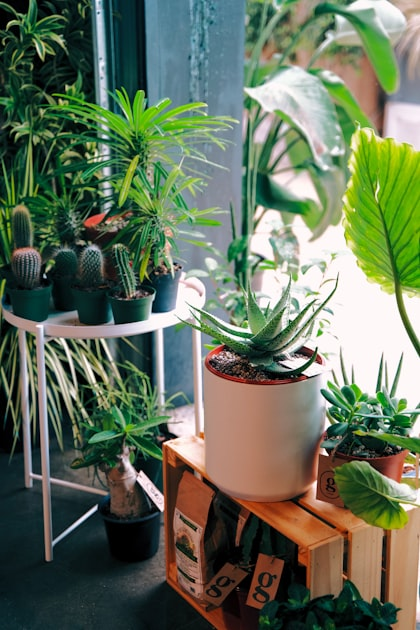
You water your houseplant. The next day you notice something strange. White fuzzy growth covers the soil surface. It looks like someone sprinkled cotton balls on the dirt.
Your first thought: Is my plant dying? Is this dangerous?
Take a breath. That white fuzzy mold on plant soil is almost always harmless. It’s saprophytic fungus feeding on organic matter in the soil, not on your living plant. It shows up when soil stays too wet for too long.
The mold itself won’t kill your plant. But the conditions that caused the mold—overwatering, poor drainage, lack of air circulation—those can harm your plant if not corrected.
Here’s the good news: Getting rid of white mold on potting soil is simple. You don’t need to repot. You don’t need fungicides. You need to dry out the soil, improve air circulation, and scrape off the visible mold. The problem usually resolves in 7-10 days.
This guide shows you exactly how to eliminate soil mold and prevent it from returning. You’ll learn what causes it, whether it’s actually harmful, and the fastest ways to make it disappear.
Your plant will be fine. The mold is just telling you to adjust your care routine slightly.
What That White Fuzz Actually Is
The white fuzzy growth on your soil is saprophytic fungus. Saprophytic means it feeds on dead organic matter, not living tissue. It’s breaking down decomposing material in your potting soil.
Potting soil contains organic components like peat moss, compost, bark, and wood particles. These materials slowly decompose. As they break down, they release nutrients. This is normal and beneficial for plants.
Fungal spores exist everywhere in the environment. They’re in the air, on surfaces, in all potting soil. When conditions favor fungal growth, these dormant spores activate and produce the visible white fuzzy mycelium you see.
The conditions fungi need are simple: Moisture, organic material, and warm temperatures. Your overwatered houseplant soil provides all three perfectly.
The most common fungi you see are species like Mucor, Penicillium, and various saprophytic molds. They form white, grey, or yellowish fuzzy growth. Sometimes the growth looks more like a white crust or film instead of obvious fuzz.
These fungi are decomposers. They play a valuable role in nature, breaking down dead plant material and recycling nutrients. They’re not pathogens. They don’t attack healthy living plant tissue.
Think of them like the mushrooms you see on a forest floor after rain. They’re digesting fallen leaves and dead wood, not killing the living trees. Soil mold does the same thing in your pot, just at a microscopic scale.
The mold appears suddenly because fungal growth explodes when conditions are right. The spores were always there. Then you overwatered. The soil stayed wet. Within 24-48 hours you see fuzzy growth where there was nothing before.
Is White Mold on Soil Harmful to Your Plant
The short answer: Usually not harmful to the plant itself. But the conditions causing mold can harm your plant.
Why Mold Isn’t Directly Harmful:
Saprophytic molds feed on dead organic matter in soil. They don’t attack living roots or stems. Your plant’s roots are too tough and alive for these fungi to penetrate. The fungi lack the enzymes to break down healthy living tissue.
Studies on common soil molds show they pose minimal risk to established houseplants. The plants coexist with these fungi naturally.
When Mold Indicates Problems:
The mold itself doesn’t hurt your plant. But mold only grows when soil is too wet. And constantly wet soil does hurt plants through:
Root rot from lack of oxygen. Roots sitting in saturated soil suffocate. They can’t breathe. They die and rot. This kills plants.
Fungus gnats breeding in the moist soil. These pests damage roots and are annoying.
Nutrient leaching. Constantly wet soil allows nutrients to wash away faster.
So while the fuzzy mold is harmless, it’s a warning sign. It tells you the soil is staying too wet for too long. Fix that moisture problem before it causes root issues.
Special Cases Where Mold Might Matter:
Seedlings are more vulnerable. Very young plants with tiny root systems can struggle if mold is extremely heavy. The mold can outcompete seedlings for nutrients or physically smother tiny roots.
People with mold allergies or respiratory sensitivities might react to soil mold spores. If you have severe mold allergies, minimize exposure by improving ventilation and removing moldy soil.
Edible plants grown indoors. If you’re growing herbs or vegetables indoors and they’re very low to the soil, you might not want mold near edible leaves. Though the mold itself isn’t toxic, it’s better to keep it minimal for food crops.
For typical houseplants with established root systems, soil mold is 90% cosmetic and 10% indicator of care issues.
What Causes White Mold on Potting Soil
Mold grows when you provide the three conditions it needs.
Cause 1: Overwatering
This is the number one cause. You water too frequently. The soil never dries out. It stays moist for days or weeks. Fungal spores thrive in this constant moisture.
Most houseplants need the top 1-2 inches of soil to dry between waterings. If you water before this drying happens, you create perfect mold conditions.
Cause 2: Poor Drainage
Dense soil that doesn’t drain well stays waterlogged even with correct watering frequency. Old compacted potting soil. Heavy soil with too much peat and not enough perlite or bark. Soil that’s broken down after 2+ years in the same pot.
Pots without drainage holes trap water at the bottom. Even if the top looks dry, the bottom stays soggy. Mold grows in that wet zone.
Cause 3: Low Light
Soil in low light locations stays wet longer. The plant uses less water when it gets insufficient light. The soil sits moist for extended periods. Mold appears.
This is why soil mold is more common on plants in dim corners versus plants near windows.
Cause 4: Poor Air Circulation
Stagnant air around your plant allows moisture to linger. The soil surface doesn’t dry as humidity hangs around the pot.
Plants crowded together with leaves overlapping. Plants in corners with no air movement. Closed rooms with no ventilation.
Moving air helps soil surfaces dry. Still air keeps them damp and moldy.
Cause 5: Organic-Rich Soil
Soil high in organic matter provides abundant food for mold. Heavily composted soil. Fresh soil with lots of wood chips or bark. Soil amended with things like worm castings or manure.
These rich soils are great for plants but they’re also mold magnets if kept too wet.
Cause 6: Cool Temperatures
If your home is cool, plants use less water. The soil stays wet longer. Mold has more time to establish.
This is why soil mold is more common in winter when heating systems are off and homes are cooler.
Typically mold appears when several of these factors combine. Overwatering plus poor drainage plus low light equals fuzzy white soil every time.
How to Get Rid of White Mold on Plant Soil
You have multiple options ranging from quick surface fixes to more thorough solutions.
Quick Fix: Scrape It Off
The simplest approach for light mold growth. Use a spoon or your hands to scrape the top layer of soil off the surface. Remove about half an inch of soil. Dispose of the moldy soil in the trash.
This removes the visible mold and many fungal spores. Add fresh dry soil to replace what you removed.
This fixes the cosmetic issue immediately. But mold will return if you don’t address the underlying moisture problem.
Better Solution: Dry Out the Soil
Stop watering. Let the soil dry thoroughly. For most houseplants, wait until the top 2-3 inches of soil is completely dry before watering again.
This might take 1-2 weeks depending on plant type, soil, and conditions. The extended drying period kills off the active mold growth. Fungi need moisture. Without it they go dormant.
While waiting, scrape off visible mold. Improve air circulation by moving the plant to a more open location or running a small fan in the room.
Natural Treatment: Cinnamon
Cinnamon has natural antifungal properties. Sprinkle ground cinnamon over the soil surface in a thin layer. Cinnamon suppresses fungal growth without harming your plant.
This works best as a preventive after you’ve removed existing mold and dried the soil. It helps prevent mold from returning.
Cinnamon isn’t a cure-all. It helps but doesn’t replace proper watering practices.
More Thorough: Improve Soil Drainage
If mold keeps returning despite letting soil dry, your drainage is inadequate. The solution is amending the soil.
Remove the plant from its pot. Shake off loose soil. Mix the existing soil with perlite, orchid bark, or coarse sand. Use a ratio of about 70% original soil to 30% drainage amendment.
This creates a faster-draining mix that won’t stay soggy. Repot the plant in the amended soil.
Most Thorough: Complete Soil Replacement
For severe persistent mold, start fresh. Remove the plant and discard all old soil. Wash the pot with soap and water. Rinse the roots gently.
Repot in fresh high-quality potting soil. Choose a mix appropriate for your plant type. For most houseplants, a well-draining general purpose mix works.
This eliminates all the old decomposing organic matter and fungal spores. You start with a clean slate.
Hydrogen Peroxide Treatment
Some people use diluted hydrogen peroxide to kill soil mold. Mix 1 part 3% hydrogen peroxide with 4 parts water. Water the plant with this solution.
The peroxide kills fungal spores in the top layer of soil. It breaks down into water and oxygen, leaving no harmful residue.
This works but isn’t necessary for common soil mold. Save peroxide treatment for suspected root rot or serious fungal issues.
Preventing White Mold from Returning
Prevention is about fixing the conditions that allow mold growth.
Watering Correctly:
Check soil moisture before watering. Stick your finger 2 inches into the soil. Dry? Water. Still damp? Wait.
Most houseplants need the top 1-2 inches to dry between waterings. Some like ferns want just the top half inch dry. Succulents want soil completely dry.
Learn your specific plant’s preferences. Never water on a schedule without checking moisture first.
Use Well-Draining Soil:
Choose quality potting mixes that drain well. Look for soil containing perlite, vermiculite, or bark. These components create air pockets and prevent compaction.
Avoid soil that’s mostly peat moss. Pure peat stays wet too long.
For succulents and cacti, use specialized cactus mix or make your own with 50% regular soil and 50% coarse sand or perlite.
Ensure Drainage Holes:
Every pot needs drainage holes. No exceptions. Water must be able to escape.
If you use a decorative pot without holes, use it as a cache pot with a draining inner pot inside.
Improve Air Circulation:
Don’t crowd plants together. Give them space. Leave gaps between pots so air can move.
Run a small fan on low speed in plant rooms. This keeps air moving and helps soil surfaces dry.
Open windows occasionally for fresh air exchange.
Increase Light:
Move plants to brighter locations if possible. More light means the plant uses more water. Soil dries faster.
This isn’t always feasible for low-light plants, but optimize light within each plant’s tolerance range.
Remove Organic Debris:
Dead leaves on the soil surface provide food for mold. Remove fallen leaves promptly.
Don’t add banana peels, eggshells, or other organic amendments to the soil surface. These decompose and feed mold.
Repot Regularly:
Repot plants every 18-24 months. Old soil breaks down and becomes dense. Fresh soil drains better.
This also removes accumulated salts and refreshes nutrients.
Should You Repot a Plant with Soil Mold
Usually no. Repotting isn’t necessary for simple surface mold. The mold grows on dead organic matter in the top layer of soil. It’s not throughout the entire root ball.
Scraping off the top layer and letting soil dry handles most cases. Repotting is unnecessary work and stresses the plant.
When to Consider Repotting:
The mold keeps returning despite proper watering and soil surface removal. This indicates the soil itself is the problem—too dense, too old, or too organic.
You see signs of root rot. Mushy brown roots, foul smell, or the plant declining despite your care. Root rot is serious and requires repotting.
The plant is rootbound anyway. If the plant needs repotting for other reasons and you have mold, do both tasks together.
The mold is extremely heavy throughout the pot. If you have thick fuzzy growth not just on top but visible through drainage holes and along pot edges, the entire soil environment is compromised.
For typical surface mold on otherwise healthy plants, repotting is overkill. Fix the moisture issue, remove surface mold, let soil dry, and move on.
White Mold vs Other Soil Surface Growth
Not all white stuff on soil is mold. Learn to tell them apart.
White Mold:
Fuzzy or cottony appearance. Often grey-white or pure white. Spreads across the soil surface. Develops quickly after watering. Comes off easily when scraped.
Mineral Deposits:
White crusty residue that’s hard and crystalline, not fuzzy. This is salt buildup from fertilizer or hard water. It doesn’t spread. It accumulates slowly over months. It’s harder to scrape off—more like a crust than fuzz.
Mineral deposits mean you need to flush the soil with water or repot. They indicate salt accumulation that can harm roots.
Perlite:
Those white chunks in your soil that look like styrofoam are perlite. It’s a soil amendment, not mold. Perlite is hard, not fuzzy. It doesn’t spread or grow.
Efflorescence:
White powdery coating on terracotta pots. This is salts coming through the porous clay. It’s on the pot exterior, not the soil. It’s harmless to plants.
Mealybugs:
Sometimes confused with soil mold. Mealybugs are white fuzzy insects on plant leaves and stems. They move slowly. Mold on soil doesn’t move and stays on the soil surface.
Look closely. If the white fuzz is only on soil and doesn’t move, it’s mold. If it’s on the plant and moves, it’s pests.
Your Action Plan Today
You found white mold on your plant soil this morning. Here’s what to do right now.
Action 1: Don’t panic. The mold isn’t killing your plant. It’s just a sign soil is too wet. Your plant will be fine.
Action 2: Scrape off visible mold within the next hour. Use a spoon to remove the top half inch of soil. Throw it away. This removes the cosmetic issue immediately.
Action 3: Stop watering. Don’t water this plant for at least one week. Let the soil dry significantly. Check moisture before the next watering—top 2 inches should be dry.
Action 4: Move the plant to better air circulation. Get it away from corners or crowded spots. Run a small fan in the room if possible.
Action 5: Sprinkle cinnamon on the soil surface. This optional step helps prevent mold from returning while the soil dries.
Action 6: Check your other plants. Do they have similar mold? Are you overwatering multiple plants? Adjust your watering routine for the whole collection if needed.
The mold will clear up in 7-10 days with these changes. It’s a minor issue with a simple fix. Just let that soil dry out properly between waterings going forward.
FAQ: White Mold on Plant Soil
Q: Is white mold on plant soil harmful?
The mold itself is not harmful to established healthy plants. It’s saprophytic fungus feeding on dead organic matter in the soil, not on living roots. However, the mold indicates the soil is staying too wet, which can cause root rot. The mold is a symptom of overwatering, and overwatering does harm plants. Fix the moisture problem to protect your plant’s roots.
Q: Why does my plant soil have white fuzz?
White fuzz is fungal growth that appears when soil stays wet too long. Causes include overwatering, poor drainage, low light, or insufficient air circulation. The fungal spores exist naturally in all soil. When you provide constant moisture and organic matter, the spores activate and produce visible white fuzzy mycelium. It’s a sign you’re watering too frequently or your soil doesn’t drain well.
Q: Should I repot if there’s white mold on soil?
Usually no. Simply scrape off the surface mold, let the soil dry out, and adjust your watering schedule. Repotting is only necessary if the mold persists despite correct watering, if you see signs of root rot, or if the soil is old and compacted. For typical surface mold on healthy plants, repotting is unnecessary and creates extra stress for the plant.
Q: How do I get rid of white mold in my plant pot?
Scrape off the top layer of moldy soil and dispose of it. Let the remaining soil dry thoroughly—wait until the top 2-3 inches is completely dry before watering again. Improve air circulation around the plant. Optional: sprinkle cinnamon on the soil surface as a natural antifungal. The mold should clear up in 7-10 days if you correct the moisture problem. Prevent return by watering only when soil is appropriately dry.
Q: Does cinnamon kill mold on plant soil?
Cinnamon has mild antifungal properties that suppress mold growth. Sprinkling ground cinnamon on the soil surface helps prevent mold from returning after you remove it. However, cinnamon alone won’t cure a mold problem. You must also let the soil dry and fix the overwatering issue. Think of cinnamon as a helpful preventive, not a cure. It works best when combined with proper watering practices.
Q: Can white mold on soil spread to the plant?
No. The saprophytic mold growing on soil feeds on dead organic matter. It doesn’t have the ability to infect healthy living plant tissue like leaves, stems, or roots. The mold stays on the soil surface or in the soil. It won’t climb up and attack your plant. However, the wet conditions that cause soil mold can lead to other fungal issues like root rot, which does harm plants.
Q: Is white mold on soil the same as root rot?
No, they’re different issues. White mold grows on the soil surface and feeds on decomposing organic matter. It’s mostly harmless. Root rot is a serious fungal infection that attacks living roots, turning them brown and mushy. Root rot happens deep in the soil and you can’t see it without removing the plant. Both are caused by overwatering, but root rot is dangerous while surface mold is mostly cosmetic.
Q: Why does white mold only grow on some of my plants?
Different plants have different water needs. The plants with mold are in soil that stays wet longer. This happens because those specific plants need less water, or their soil doesn’t drain as well, or they’re in lower light so they use water slowly. Check the specific conditions for each plant. The moldy ones are getting too much water for their needs or their soil has drainage issues.
Q: Can I use hydrogen peroxide for soil mold?
Yes. Mix 1 part 3% hydrogen peroxide with 4 parts water. Water the plant with this solution. The peroxide kills fungal spores in the top layer of soil and breaks down into harmless water and oxygen. This works but isn’t necessary for common surface mold. Scraping and drying the soil is usually sufficient. Save hydrogen peroxide for suspected root rot or more serious fungal problems.
Q: Will white mold go away on its own?
Yes, if you let the soil dry out. The mold needs moisture to survive. When you stop overwatering and let the soil dry properly between waterings, the active fungal growth dies back. The spores go dormant. The visible white fuzz disappears. However, if you resume overwatering, the mold will return because the dormant spores are still in the soil.
Q: Is the white stuff on my soil mold or fertilizer?
Mold is fuzzy or cottony with a soft texture that spreads across the surface. It appears suddenly after watering. Fertilizer deposits are crusty, hard, and crystalline. They accumulate slowly over time from salt buildup. Scrape a bit off—mold is soft and fluffy. Fertilizer salts are hard and crusty. If it’s white and fuzzy, it’s mold. If it’s white and crusty, it’s mineral deposits from fertilizer or hard water.
Q: Can white mold in soil make me sick?
Most soil molds are harmless to healthy people. However, people with mold allergies or respiratory sensitivities might react to spores. If you have severe mold allergies, minimize exposure by working in well-ventilated areas, wearing a mask when handling moldy soil, and removing moldy soil promptly. For most people, common soil molds pose minimal health risk. Improve ventilation and soil conditions to keep mold minimal.
Comments
4 responses
terbinafine for persistent nail fungus
terbinafine for persistent nail fungus
toradol short term dosage rules
toradol short term dosage rules
ivermectin demodex medical evidence
ivermectin demodex medical evidence
minoxidil troubleshooting faq
minoxidil troubleshooting faq