
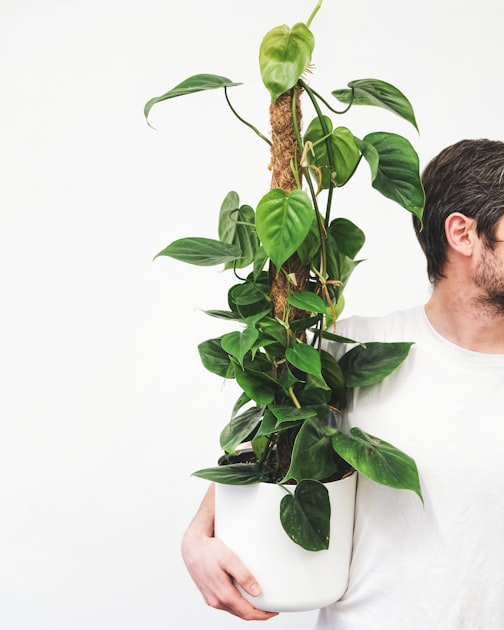
You touch your plant’s leaves. Your fingers come away sticky. You look closer. A clear shiny coating covers several leaves. It wasn’t there last week.
Something is very wrong.
That sticky residue on plant leaves is called honeydew. It’s not plant sap leaking out. It’s pest excrement. Tiny insects are feeding on your plant and leaving this sticky mess behind.
Here’s what catches people off guard: The sticky leaves aren’t the real problem. They’re a symptom. The actual problem is sap-sucking pests living on your plant. Usually aphids, scale insects, mealybugs, or whiteflies. These pests feed on plant sap and excrete the excess sugar as honeydew.
Most people clean the sticky leaves and think they’re done. Two weeks later the stickiness returns. They clean again. The cycle continues because they never addressed the pests creating the mess.
This guide shows you exactly how to identify which pest is causing sticky leaves, eliminate the infestation, and clean up the residue. You’ll learn why sticky leaves often lead to black sooty mold and how to prevent both problems.
The sticky residue itself won’t kill your plant. But the pests producing it will weaken your plant significantly if not eliminated. And the longer you wait, the harder they are to remove.
What That Sticky Stuff Actually Is
The sticky clear substance on plant leaves is honeydew. Sap-sucking insects produce it as waste.
Here’s how it works: Aphids, scale, mealybugs, and whiteflies insert their piercing mouthparts into plant tissue. They tap into the phloem, the plant’s sap transport system. Sap is mostly water and sugars with some amino acids.
The insects need the amino acids for protein. But sap contains far more sugar than protein. To get enough protein, the insects must consume massive amounts of sap. They extract the protein and excrete the excess sugar.
This sugar-rich excrement is honeydew. It drips onto leaves below the feeding insects. The honeydew is sticky because it’s essentially concentrated plant sugars. Think of it like maple syrup made from tree sap but produced by bugs.
The honeydew accumulates on leaf surfaces creating that shiny sticky coating you see. In heavy infestations, honeydew drips off leaves onto furniture and floors below the plant.
Two things often grow on honeydew. Ants love it. They farm the sap-sucking insects, protecting them from predators in exchange for honeydew. If you see ants on your houseplant, you definitely have honeydew-producing pests.
Sooty mold fungus also grows on honeydew. This black powdery fungus feeds on the sugars in honeydew. It doesn’t infect the plant directly but it covers leaves blocking light. Plants covered in sooty mold can’t photosynthesize well.
The presence of honeydew tells you two things for certain: You have sap-sucking pests on your plant right now. The infestation has been present long enough for pests to feed and produce noticeable honeydew.
Finding sticky leaves early is actually good news. It means you caught the infestation before it became catastrophic. The pests are easier to eliminate when populations are smaller.
Which Pests Cause Sticky Leaves
Four common houseplant pests produce honeydew. Learn to identify which one you have.
Aphids (Most Common)
What They Look Like: Small soft-bodied insects 2-3mm long. Pear-shaped with long antennae. Usually green but can be white, black, yellow, or pink. They cluster on new growth and undersides of young leaves.
Where You Find Them: Concentrated on the newest softest plant parts. Stem tips, new leaves, and flower buds. They prefer tender tissue over mature leaves.
The Honeydew Pattern: Heavy sticky residue on leaves below where aphids cluster. The stickiness is worst directly under infested areas. Aphids are visible when you look for them.
Identification: Look at new growth carefully. You’ll see the actual aphids. They move slowly when disturbed. Shake the plant over white paper and aphids fall off.
Scale Insects
What They Look Like: Small bumps 2-5mm across attached to stems and leaves. Brown, tan, or white. Shaped like tiny helmets or turtle shells. They don’t look like insects at first glance.
Where You Find Them: Stems and branches primarily. Undersides of leaves near the midrib. They attach firmly and don’t move once settled.
The Honeydew Pattern: Soft scale species produce heavy honeydew. Hard scale produces less or none. The sticky residue appears on leaves below infested stems. Black sooty mold is common with scale infestations.
Identification: Look for small bumps on stems that aren’t part of the plant’s normal structure. Try to scrape one off with your fingernail. Scale insects pop off leaving a small dent. Natural plant bumps don’t come off.
Mealybugs
What They Look Like: White fuzzy insects 3-5mm long. They look like tiny bits of cotton stuck to the plant. Oval shaped with a waxy white coating that resembles powder or fuzz.
Where You Find Them: Leaf undersides, stem joints, and hidden spots where leaves meet stems. They hide in protected areas.
The Honeydew Pattern: Moderate to heavy honeydew production. The sticky residue combines with their white waxy coating creating a messy appearance. Sooty mold often follows.
Identification: The white fuzzy appearance is distinctive. They look like tiny cotton balls. Wipe one with your finger and it smears white. They move very slowly.
Whiteflies
What They Look Like: Tiny white flying insects 1-2mm long. They look like miniature white moths. When you disturb the plant, a cloud of white flies up.
Where You Find Them: Undersides of leaves primarily. Both adults and immature stages feed there.
The Honeydew Pattern: Heavy honeydew production from the immature nymphs feeding on leaf undersides. The leaves get very sticky and shiny. Sooty mold develops quickly on whitefly honeydew.
Identification: The flying behavior is the giveaway. Touch the plant and white insects fly up. Look at leaf undersides for tiny white oval nymphs that don’t fly.
How to Identify the Pest Causing Your Sticky Leaves
Use this quick diagnostic process.
Step 1: Look at new growth and stem tips. See small green or black insects clustered there? Aphids.
Step 2: Check stems for bumps. Small brown or white bumps attached to stems? Scale insects.
Step 3: Look for white fuzzy spots. White cottony material in leaf joints or undersides? Mealybugs.
Step 4: Disturb the plant. White flying insects emerge? Whiteflies.
Step 5: Check leaf undersides. This is where most pests hide. Flip leaves over and inspect closely.
In most cases you’ll find the actual pests within 30 seconds of looking. They’re small but visible to the naked eye. Use a magnifying glass if you have trouble seeing tiny insects.
Once you identify which pest you have, you can choose the appropriate treatment. Each pest needs slightly different approaches.
How to Eliminate the Pests Creating Sticky Residue
You must eliminate the pests to stop honeydew production. Cleaning the sticky residue without treating pests is pointless. The stickiness returns in days.
For Aphids:
Treatment: Spray with insecticidal soap or make homemade spray using 1 tablespoon dish soap per quart of water. Spray thoroughly covering all plant parts especially undersides of leaves and new growth. Let sit 2-3 hours then rinse with plain water.
Repeat every 2-3 days for 2 weeks. This catches multiple generations as eggs hatch.
Physical removal also works well. Take the plant to a sink and spray with water at moderate pressure. This knocks aphids off. Follow with soap spray.
For Scale Insects:
Treatment: Physical removal is essential. Use cotton swabs dipped in rubbing alcohol. Press the swab against each scale insect for 5 seconds. The alcohol dissolves the protective coating and kills the insect.
For heavy infestations, use a soft brush dipped in soapy water to scrub stems. The bristles dislodge scale insects.
Follow physical removal with horticultural oil spray. Mix according to label directions and spray stems thoroughly. The oil suffocates remaining scale. Apply weekly for 3-4 weeks.
Add systemic insecticide for long-term control. Apply as a soil drench. The plant absorbs it and becomes toxic to feeding scale for 8-12 weeks.
For Mealybugs:
Treatment: Use cotton swabs dipped in 70% rubbing alcohol. Touch each mealybug directly. The alcohol dissolves their waxy coating and kills them on contact.
For larger infestations, spray with insecticidal soap or neem oil. Mix neem oil at 2 tablespoons per quart of water plus 1 teaspoon soap. Spray thoroughly every 5-7 days for 3 weeks.
Check hidden spots carefully. Mealybugs hide in leaf joints and under leaves. You must treat every hiding spot or they return.
For Whiteflies:
Treatment: Whiteflies are the hardest to eliminate because adults fly away when you try to spray them. Focus on the immature nymphs on leaf undersides.
Spray with insecticidal soap or neem oil every 5 days for 3 weeks. This timing catches newly hatched nymphs before they develop into adults.
Yellow sticky traps catch adult whiteflies. Place these near the plant. The flying adults land on the sticky surface and get trapped.
Vacuum adults off the plant using a handheld vacuum. Do this early morning when whiteflies are sluggish from cooler nighttime temperatures.
How to Clean Sticky Residue Off Plant Leaves
Once you’ve started pest treatment, clean the honeydew residue.
The Basic Method:
Mix a solution of 1 teaspoon dish soap per quart of lukewarm water. Dip a soft cloth in the solution. Gently wipe each leaf, top and bottom. The soap cuts through the sticky honeydew.
Rinse the cloth frequently. The honeydew transfers to the cloth. You need to rinse it to avoid spreading stickiness around.
For plants with many leaves, take the plant to a shower. Spray with lukewarm water at gentle pressure. Let water run over all leaves for 2-3 minutes. The water dissolves and rinses away honeydew.
For Stubborn Sticky Residue:
Very old honeydew becomes hard and crusty. For this, use a slightly stronger solution. Mix 1 tablespoon dish soap per quart of water. Wipe leaves with this stronger mix.
You can also add 1 tablespoon white vinegar to the soap solution. Vinegar helps break down crusty honeydew. Test on one leaf first to ensure your plant tolerates vinegar.
For Sooty Mold:
If black sooty mold has developed on the honeydew, you need to remove both. The mold is growing on the honeydew sugars. Remove the honeydew and the mold loses its food source.
Wipe leaves with soapy water as described. The mold comes off with the honeydew. For stubborn mold, use a soft brush to gently scrub. Don’t scrub hard enough to damage leaves.
The mold is just surface coating. It doesn’t penetrate leaf tissue. It wipes off easily once you remove the sticky honeydew underneath.
After Cleaning:
Rinse plants with plain water after using soap solutions. Soap residue left on leaves can interfere with photosynthesis. A final rinse with clean water removes all soap.
Let plants dry completely before returning them to their normal spots. Don’t put wet plants directly in sunlight. This can cause leaf burn.
Preventing Sticky Leaves from Returning
Once you’ve eliminated pests and cleaned honeydew, prevent future infestations.
Prevention 1: Quarantine New Plants
Most pest infestations start from new plants brought home. Every new plant should be isolated from your collection for 21-30 days. Keep it in a separate room.
Inspect quarantined plants every few days. Look for pests and sticky residue. Catching problems during quarantine prevents them from spreading to your collection.
Prevention 2: Regular Inspections
Check plants weekly for early pest signs. Look at new growth, leaf undersides, and stems. Finding 10 aphids is easy to treat. Finding 500 aphids requires aggressive measures.
Early detection is everything. Most people don’t notice pests until honeydew appears. By then the infestation is established.
Prevention 3: Clean Leaves Monthly
Wipe plant leaves with a damp cloth monthly. This removes dust and lets you inspect for pests up close. You’ll notice problems before they become severe.
Pests hide in dust and debris. Regular cleaning removes their hiding spots.
Prevention 4: Maintain Plant Health
Healthy vigorous plants resist pests better than stressed plants. Provide proper light, water, and nutrition. Healthy plants have stronger defenses.
Stressed plants emit chemical signals that actually attract pests. A plant struggling from wrong light or poor watering becomes a pest magnet.
Prevention 5: Improve Air Circulation
Pests thrive in still air and crowded conditions. Space plants apart so air can circulate. Run a small fan in plant rooms.
Moving air makes it harder for pests to establish. It also helps plants dry after watering reducing fungal problems.
Prevention 6: Avoid Over-Fertilizing
Excess nitrogen from over-fertilizing creates lush soft growth. Aphids and other sap-suckers love this tender tissue. They reproduce faster on nitrogen-rich plants.
Fertilize at recommended rates, not more. More fertilizer doesn’t mean better growth. It often means more pest problems.
Is Sticky Residue Harmful to Plants
The honeydew itself causes minimal direct harm. It’s messy and attracts ants but it doesn’t damage leaf tissue.
The indirect effects cause problems. Sooty mold growing on honeydew blocks light. Heavy mold coverage reduces photosynthesis. The plant weakens from lack of light even though leaves are physically intact.
The real damage comes from the pests producing honeydew, not the honeydew itself. Aphids, scale, mealybugs, and whiteflies all drain plant sap. Heavy infestations severely stress plants. You see yellowing leaves, stunted growth, and leaf drop.
Some pests transmit plant viruses while feeding. This is more common outdoors but can happen indoors. Viral infections are incurable and affected plants must be discarded.
So the sticky residue is a warning sign. It tells you pests are feeding heavily enough to produce visible honeydew. Address it now before the pest population grows large enough to seriously damage the plant.
Plants can recover fully from honeydew and the pest infestations that cause it. Eliminate the pests early and provide good care and your plant will bounce back within weeks.
Your Action Plan Right Now
You found sticky leaves today. Take action immediately.
Action 1: Identify the pest in the next 30 minutes. Look at new growth, stems, and leaf undersides. You’ll see aphids, scale, mealybugs, or whiteflies. Knowing which pest you have determines treatment.
Action 2: Isolate the sticky plant. Move it away from other plants. Minimum 3 feet distance. Pests spread between touching plants. Isolation prevents spread during treatment.
Action 3: Start pest treatment today. Make soap spray or get rubbing alcohol. Begin removing or killing pests immediately. Every day you wait lets them reproduce.
Action 4: Clean the sticky residue. Wipe leaves with soapy water or give the plant a shower. Remove the honeydew. This improves appearance and removes sooty mold food source.
Action 5: Set treatment reminders. You need to treat every 2-7 days depending on the pest. Set phone reminders now so you don’t forget follow-up treatments.
Action 6: Check nearby plants. Any plants that were touching the sticky plant might have pests too. Inspect them carefully even if they don’t look sticky yet.
Sticky residue looks gross but the problem is fixable. Identify the pest. Treat aggressively. Clean the mess. Monitor for a month. Your plant will recover and produce clean healthy growth.
FAQ: Sticky Residue on Plant Leaves
Q: What pest causes sticky leaves on plants?
Four common pests produce sticky honeydew: aphids, scale insects, mealybugs, and whiteflies. All four are sap-sucking insects that feed on plant fluids and excrete excess sugars as sticky honeydew. To identify which pest you have, look at new growth for clustered aphids, check stems for scale bumps, look for white fuzzy mealybugs in leaf joints, or disturb the plant to see if whiteflies fly up.
Q: Is sticky residue on plants harmful?
The sticky honeydew itself causes minimal direct damage. The harm comes from the sap-sucking pests producing it. Heavy pest infestations weaken plants by draining sap, causing yellowing, stunted growth, and leaf drop. Honeydew also attracts black sooty mold that blocks light and reduces photosynthesis. The stickiness is a symptom of the real problem which is the pest infestation.
Q: How do I remove honeydew from plant leaves?
Mix 1 teaspoon dish soap per quart of lukewarm water. Wipe each leaf with a soft cloth dipped in this solution. The soap cuts through the sticky residue. Rinse the cloth frequently. For plants with many leaves, take them to a shower and spray with lukewarm water for 2-3 minutes. After cleaning with soap, rinse with plain water to remove soap residue.
Q: Why are my plant leaves sticky and shiny?
Sticky shiny leaves indicate honeydew coating from sap-sucking pests. Aphids, scale, mealybugs, or whiteflies are feeding on your plant and excreting sugary waste onto the leaves. Look closely at the plant for the actual insects. Check new growth, stems, and leaf undersides. The honeydew creates a clear glossy coating that feels sticky when touched.
Q: What is the clear sticky substance on my plant leaves?
The clear sticky substance is honeydew, which is pest excrement. Sap-sucking insects feed on plant sap and excrete excess sugars. This sugar-rich waste drips onto leaves creating the sticky coating. It’s not plant sap leaking out but rather waste products from aphids, scale insects, mealybugs, or whiteflies feeding on the plant.
Q: How do I tell if sticky leaves are from scale or aphids?
Look for the actual pests. Aphids are visible insects clustered on new growth and leaf undersides. They’re 2-3mm long, soft-bodied, and move when disturbed. Scale insects look like small brown or tan bumps attached to stems. They don’t look like insects and don’t move. Try to scrape a bump off with your fingernail. Scale pops off while plant tissue doesn’t. Both produce honeydew but scale attaches firmly to stems while aphids cluster on soft new growth.
Q: Can I prevent sticky leaves on indoor plants?
Yes, through pest prevention. Quarantine all new plants for 21-30 days before adding to your collection. Inspect plants weekly for early pest signs. Wipe leaves monthly to remove dust and check for pests. Maintain plant health with proper light, water, and nutrition. Improve air circulation around plants. Avoid over-fertilizing which creates tender growth that attracts pests. These practices prevent most pest infestations that cause sticky leaves.
Q: What is sooty mold and how is it related to sticky leaves?
Sooty mold is a black powdery fungus that grows on honeydew. The fungus feeds on the sugars in the sticky residue left by sap-sucking pests. It doesn’t infect the plant directly but covers leaves in a black coating that blocks light and reduces photosynthesis. Remove honeydew through cleaning and eliminate the pests producing it and sooty mold loses its food source and disappears.
Q: Will sticky residue go away on its own?
No, sticky residue won’t disappear without intervention. It might dry and become crusty but it stays on the leaves. More importantly, the pests producing the honeydew continue feeding and reproducing. The stickiness will worsen as pest populations grow. You must eliminate the pests and clean the residue. Without treatment, the problem escalates until the plant is severely weakened.
Q: How long does it take to eliminate pests causing sticky leaves?
With proper treatment, most pest infestations are eliminated in 2-3 weeks. Aphids respond to soap spray in 10-14 days with treatments every 2-3 days. Scale insects take 3-4 weeks with weekly oil treatments. Mealybugs need 3 weeks with treatments every 5-7 days. Whiteflies are hardest, requiring 3-4 weeks of consistent treatment. Continue monitoring for another month after the last treatment to ensure pests don’t return.
Q: Why do sticky leaves attract ants?
Ants feed on honeydew because it’s rich in sugars. Some ant species actively farm sap-sucking pests, protecting them from predators in exchange for honeydew. If you see ants on your houseplants, you definitely have honeydew-producing pests present. Eliminate the pests and clean the honeydew and the ants will leave. The ants themselves don’t harm plants but their presence confirms a pest problem.
Q: Can I use vinegar to clean sticky plant leaves?
Yes, but dilute it properly. Mix 1 tablespoon white vinegar with 1 quart water plus 1 teaspoon dish soap. The vinegar helps break down sticky honeydew and crusty residue. Test on one leaf first and wait 24 hours for damage signs. Some plants are sensitive to vinegar. If the test leaf looks fine, wipe all leaves with the solution then rinse with plain water. Soap and water alone works for most cases without needing vinegar.
Comments
5 responses
ketoconazole for yeast infections
ketoconazole for yeast infections
ivermectin evidence FAQ
ivermectin evidence FAQ
ivermectin scabies treatment evidence
ivermectin scabies treatment evidence
ivermectin mechanism in scabies
ivermectin mechanism in scabies
minoxidil duration performance
minoxidil duration performance