
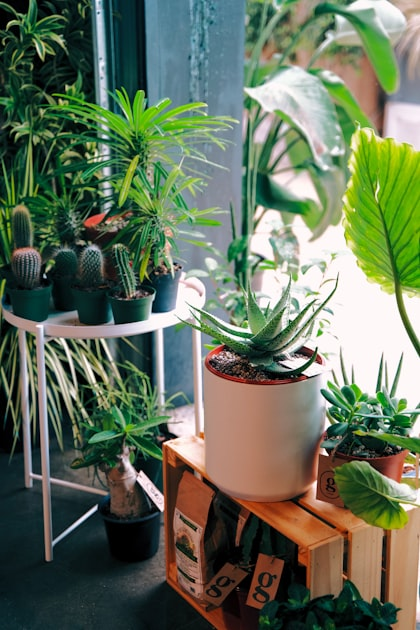
You bring a new plant home from the nursery. It looks healthy and perfect. You place it on the shelf next to your other plants.
Three weeks later you notice webbing on your fiddle leaf fig. Spider mites. They spread from the new plant to three others. Now you’re fighting an infestation across your entire collection.
This scenario happens constantly. The new plant looked clean at the store. But it carried a small pest population you didn’t see. During the first weeks in your home, those pests multiplied. They spread to nearby plants. One infested plant became four.
Quarantine prevents this. Every new plant gets isolated for a set period before joining your collection. During quarantine, any hidden pests reveal themselves. You catch and treat problems before they spread.
Most people skip quarantine. They’re excited about the new plant. They want it displayed immediately. They think a quick visual inspection at the store is enough. It’s not.
This guide gives you the complete quarantine protocol. You’ll learn exactly how long to isolate new plants, where to keep them during quarantine, what to inspect for, and how to treat problems you find. You’ll understand why shortcuts fail and which situations need extended quarantine.
Follow this system and you’ll almost never introduce pests to your collection. The small effort of quarantine prevents the massive effort of treating widespread infestations.
Why Quarantine is Essential
New plants are the number one source of houseplant pest infestations. Understanding why makes the case for quarantine overwhelming.
Nurseries Have Pest Pressure:
Commercial nurseries grow thousands of plants in close quarters. Perfect conditions for pests. One infested plant spreads bugs to hundreds of others.
Nurseries treat for pests regularly. But treatment timing might miss pests on the specific plant you buy. They sprayed last week. New pests arrived yesterday. Your plant has them.
Even the best nurseries can’t guarantee every single plant is completely pest-free. The volume of plants and constant new arrivals make total pest elimination impossible.
You Can’t See All Pests:
Many pest life stages are invisible to casual inspection. Spider mite eggs are microscopic. Scale insect crawlers are smaller than a pinhead. Thrips hide inside developing leaf buds.
The plant looks perfectly clean. But 20 spider mite eggs wait to hatch. Ten scale crawlers hide in bark crevices. These become visible only after they’ve had two weeks to multiply.
Pests Need Time to Reveal Themselves:
Most common houseplant pests complete their lifecycle in 10-20 days. Eggs hatch. Nymphs mature. Adults reproduce. The population grows large enough to notice.
A plant with 5 spider mites looks clean. The same plant two weeks later has 200 spider mites and visible webbing. Quarantine gives you those two weeks to catch the problem before it spreads.
The Math Favors Prevention:
Quarantine one plant for three weeks: 5 minutes setup, 5 minutes weekly inspection. Total time: 20 minutes.
Treat spider mites on four plants after they spread: 2 hours shopping for treatment products, 3 hours applying treatment three times over two weeks, 1 hour monitoring and cleanup. Total time: 6+ hours plus 30 dollars in products.
Quarantine is dramatically more efficient than treatment.
Collection Protection:
Some plant collectors have rare expensive plants worth hundreds of dollars. One pest outbreak can devastate valuable specimens.
But even if your plants are common and inexpensive, you’ve invested time and effort. Watching multiple plants decline from an introduced pest is frustrating and preventable.
Quarantine protects your investment whether that investment is financial or emotional.
How Long to Quarantine New Houseplants
The quarantine period must be long enough for pest populations to grow visible.
Minimum Period: 21 Days
Three weeks is the minimum effective quarantine. This allows most common pests to complete at least one full lifecycle.
Spider mites: Eggs hatch in 3-5 days, nymphs mature in 7-10 days. Total 10-14 days from egg to reproducing adult. Three weeks catches one full generation.
Aphids: Mature in 7-14 days depending on conditions. Three weeks ensures they become visible.
Fungus gnats: Eggs hatch in 4-6 days, larvae mature in 12-14 days. Adults emerge 18-20 days after eggs laid. Three weeks catches the full cycle.
Mealybugs and scale: Slower developers but visible within three weeks if present in moderate numbers.
Better Period: 30 Days
Four weeks provides extra margin. Some pests in cooler conditions or with longer natural cycles need this extra time.
Many experienced plant collectors use 30 days as standard. The extra week catches pests that a 21-day quarantine might miss.
If you have rare or expensive plants in your collection, the extra protection is worth the extra week.
Extended Period: 45-60 Days
Some situations warrant extended quarantine.
Plants shipped during winter often experience stress and cold that slows pest development. Pests present might not become active and visible for 4-6 weeks.
Plants from tropical greenhouses moving to dry home environments undergo adjustment. Pests might not show until the plant acclimates.
If you’ve had persistent pest problems in the past, extended quarantine provides additional security.
When You Can Shorten:
Never go below 14 days. Two weeks is absolute minimum and only appropriate for very specific situations.
Plants propagated yourself from your existing collection. These carry whatever pests your collection already has, nothing new. A two week check ensures no problems developed during propagation.
Plants from a trusted source who you know quarantines and treats thoroughly. Even then, 21 days is safer than 14.
The Bottom Line:
For most situations, use 21-30 days. The exact length matters less than committing to a minimum of three weeks. Extending to four weeks is even better.
Where to Quarantine New Houseplants
Location matters. The quarantine area must isolate the new plant while providing adequate conditions for health.
Separate Room:
Ideal quarantine is in a completely different room from your plant collection. A spare bedroom, bathroom, laundry room, or home office.
This physical separation prevents pest spread even if some pests are mobile. Adult fungus gnats might fly but they’re not flying through closed doors to other rooms.
The separate room also prevents you from accidentally moving pests on your hands or tools between the new plant and your collection.
Minimum Distance: 6 Feet
If a separate room isn’t possible, keep the quarantined plant minimum 6 feet from your nearest plant. Ten feet is better.
Spider mites and other crawling pests don’t cross large distances quickly. Six feet of open space provides a barrier.
Don’t let leaves touch between quarantined plants and your collection. No physical contact of any kind.
Light Requirements:
The quarantine space must provide appropriate light for the plant type. Don’t stick a high-light plant in a dark closet for a month. It will decline from light stress, not pests.
Choose a quarantine location with suitable light. Near a window for high-light plants. Bright indirect light for most tropicals. Lower light areas work for shade-tolerant plants.
If your quarantine room lacks adequate natural light, use a grow light. Position it 12-18 inches above the plant. Run it 10-12 hours daily.
Temperature and Humidity:
Keep quarantined plants in normal living conditions. Room temperature 65-75 degrees F. Avoid locations with temperature extremes like garages or unheated rooms.
Don’t worry about matching the exact humidity the plant will eventually experience. Just keep it in reasonable conditions. Severe stress during quarantine can mask pest problems.
Multiple New Plants:
If you buy several plants at once, can you quarantine them together? Generally yes, but with caveats.
Plants from the same nursery purchased the same day can share quarantine space. They already had contact at the nursery. Quarantining them together makes sense.
If one plant shows pests during quarantine, treat all plants in that quarantine group. They likely all have the same problem.
Plants from different sources should ideally have separate quarantine areas. They might carry different pest species.
Setting Up the Space:
The quarantine area needs easy access for inspection. Don’t put plants somewhere you’ll forget about them.
Keep a magnifying glass, spray bottle, and rubbing alcohol in the quarantine space. These tools let you inspect thoroughly and treat minor pest findings immediately.
A saucer or tray under the pot protects surfaces from water drainage.
What to Inspect During Quarantine
Inspection is the entire point of quarantine. Knowing what to look for determines success.
Inspection Schedule:
Check quarantined plants every 3-4 days. More frequent inspection catches problems early. Weekly inspection misses critical days when pest populations explode.
At minimum inspect on Days 1, 4, 8, 12, 16, and 21 of quarantine. Each inspection takes 2-3 minutes per plant.
Day 1 Initial Inspection:
When you first place the plant in quarantine, do a thorough baseline inspection. This establishes what normal looks like so you can spot changes.
Look at every leaf top and bottom. Check stems carefully. Examine new growth. Note the plant’s overall condition.
Take photos if you want a reference for comparison later.
Ongoing Inspection Points:
New Growth:
Most pests prefer tender new growth. Check developing leaves, stem tips, and flower buds carefully.
Look for aphid clusters on new leaves. Check for deformed or curled emerging leaves which indicate pest feeding during development.
Leaf Undersides:
Flip several leaves over and inspect undersides. This is where most pests hide.
Look for spider mites, their eggs, or webbing. Check for whitefly nymphs which look like tiny white ovals. Watch for scale insects along midribs.
Use your phone flashlight to illuminate shaded areas. Many pests become visible under direct light.
Stems and Bark:
Run your finger along stems. Feel for bumps that might be scale insects.
Look closely at where leaves attach to stems. Mealybugs hide in these joints.
Older woody stems might have scale insects that blend with bark texture.
Soil Surface:
Watch for fungus gnats flying up when you disturb the plant. Look at the soil surface for tiny white moving specks which might be springtails or soil mites.
Check moisture level. Constantly wet soil during quarantine suggests the plant was overwatered at the nursery.
Look for These Specific Signs:
Webbing between leaves or in leaf joints. Silver or bronze stippling on leaves. Sticky residue on leaves or below the plant. White cottony spots in leaf joints or on stems. Small brown bumps on stems. Tiny flying white insects. Moving specks on leaves. Yellowing or dropping leaves. Deformed new growth.
Any of these signs warrant closer investigation.
Using a Magnifying Glass:
A basic magnifying glass or jeweler’s loupe reveals pests your naked eye misses. Spider mites become clearly visible when magnified.
Inspect a few leaves under magnification at each check. You’ll spot problems days or weeks earlier than visual inspection alone.
What to Do If You Find Pests During Quarantine
Finding pests during quarantine is success, not failure. The system worked. You caught the problem before it spread.
Immediate Actions:
Identify the pest. Is it aphids, spider mites, mealybugs, scale, fungus gnats, or something else? Correct identification determines treatment.
Keep the plant in quarantine. Don’t panic and throw it out immediately. Most pest problems are treatable.
Treat aggressively using appropriate methods for the pest type. Soap spray for aphids. Oil spray for spider mites and scale. Soil drench for fungus gnats.
Treatment Protocols:
Follow the specific treatment protocol for the pest you found. Apply treatments every 3-7 days depending on the pest. Continue treatment for 2-3 weeks minimum.
After the last treatment application, restart the quarantine clock. The plant needs another 21 days pest-free before it joins your collection.
So if you find spider mites on Day 10 of quarantine, treat for two weeks, then start a fresh 21-day quarantine period. Total time: Initial 10 days plus 14 days treatment plus 21 days new quarantine equals 45 days total.
This seems excessive. It’s not. You need certainty that all pests and eggs are eliminated before risking your collection.
When to Consider Disposal:
Very heavy infestations on inexpensive common plants might not be worth treating. A 10 dollar pothos absolutely covered in scale insects is easier to replace than treat.
If the plant has multiple severe pest problems simultaneously, disposal might make sense.
For rare or expensive plants, almost any infestation is worth treating. The plant’s value justifies the treatment effort.
Documenting Issues:
If you bought the plant recently, photograph the pest problem and contact the seller. Many reputable nurseries offer refunds or replacements for plants with pest issues.
Online plant sellers especially should be notified. They need to know their stock has problems.
Preventive Treatments for New Plants
Some plant collectors apply preventive treatments to every new plant during quarantine even without visible pests.
The Case for Preventive Treatment:
Treating kills pests too small to see during inspection. It provides insurance against missing something.
It’s easier to treat once preventively than to deal with an outbreak later.
For valuable collections, the minimal cost of preventive treatment is worth the peace of mind.
The Case Against:
Treatment when no pests are visible exposes plants to unnecessary chemicals. This might stress sensitive plants.
Preventive treatment can mask problems. If pests are present but resistant to your treatment, they survive and spread to your collection anyway. You think the plant was treated and safe but it wasn’t.
Some people prefer watching untreated plants during quarantine. They want to see what develops naturally.
Preventive Treatment Options:
Systemic Insecticide Soil Drench:
Apply a systemic insecticide like imidacloprid as a soil drench on Day 1 of quarantine. The plant absorbs it and becomes toxic to feeding pests for 8-12 weeks.
This provides broad protection against sap-sucking pests. It doesn’t require seeing specific pests to be effective.
Neem Oil Spray:
Spray with diluted neem oil on Days 1, 8, and 15 of quarantine. This treats foliage for any surface pests while providing some systemic protection.
Neem is organic and gentler than synthetic pesticides but still effective on many pests.
Insecticidal Soap:
One thorough application of insecticidal soap on Day 1 kills soft-bodied pests present on the plant. Follow up with a second application on Day 7.
Soap has zero residual effect so it won’t protect against pests that develop later. But it clears anything present initially.
Soil Replacement:
Some collectors repot every new plant immediately with fresh sterile soil. This eliminates any pests or eggs in the original soil.
This is extreme but guarantees clean soil. It does stress plants through immediate repotting.
My Recommendation:
For most people, preventive treatment isn’t necessary if you inspect thoroughly during quarantine. Save treatment for when you actually find pests.
For those with valuable rare collections or those who’ve had major pest disasters previously, preventive systemic drench provides good insurance.
After Quarantine: Adding Plants to Your Collection
The quarantine period is complete. The plant showed no pests. Time to add it to your collection.
Final Pre-Integration Inspection:
Before moving the plant to its permanent spot, do one last thorough inspection. Check every leaf, stem, and the soil surface.
Give the plant a gentle shower with lukewarm water. This removes dust and any dead plant material that accumulated during quarantine.
Wipe leaves with a damp cloth. This final cleaning removes anything you might have missed.
Choosing Location:
Don’t place the new plant in the most crowded part of your collection immediately. Give it a spot with some space around it for the first few weeks.
This allows continued observation without other plants in the way. If a problem does appear, it won’t immediately spread.
Continued Monitoring:
For the first month after quarantine ends, check the formerly quarantined plant weekly during your regular collection inspection.
You’re 95% confident it’s pest-free. That last 5% of doubt justifies extra monitoring.
By month two, the plant fully integrates into your normal care and inspection routine.
Common Quarantine Mistakes
People make predictable errors with quarantine. Avoid these.
Mistake 1: Skipping Quarantine Entirely
The plant looks so healthy. The nursery seems reputable. You’re too excited to wait. You skip quarantine.
This is how 90% of pest infestations start. One skipped quarantine introduces pests that take months to eliminate.
Never skip quarantine. No exceptions. No matter how clean the plant looks.
Mistake 2: Inadequate Isolation
Quarantine means separate. Putting the new plant on the same shelf as your collection but 12 inches away isn’t quarantine.
Use actual isolation. Different room or minimum 6 feet. Don’t compromise.
Mistake 3: Insufficient Inspection
Glancing at the plant once a week during quarantine. Missing the pest signs because you didn’t look closely.
Thorough inspection every 3-4 days. Use a magnifying glass. Check leaf undersides. Commit the time.
Mistake 4: Ending Quarantine Too Soon
You inspect on Day 10 and the plant looks great. You end quarantine early. Pests show up on Day 18.
Three weeks minimum. Don’t shorten it because the plant looks good. Pests need time to reveal themselves.
Mistake 5: Poor Quarantine Conditions
Sticking the plant in a dark closet or cold garage because it’s out of the way. The plant stresses from poor conditions.
Provide appropriate light, temperature, and care during quarantine. Quarantine isn’t punishment.
Mistake 6: Combining Incompatible Plants
Quarantining a new plant right next to one that just finished quarantine. If the new plant has pests, the recently cleared plant gets reinfected.
Each new arrival gets fresh quarantine space or waits until previous quarantine is completely finished.
Your Quarantine Action Plan
You just bought a new plant or one is arriving tomorrow. Here’s exactly what to do.
Action 1: Prepare quarantine space today. Before the plant arrives, designate the quarantine area. Ensure it has appropriate light. Set up saucer, inspection tools, and anything else needed.
Action 2: Inspect at the store or upon delivery. Give the plant a quick visual inspection before purchase or immediately when the delivery box opens. Reject plants with obvious pest signs.
Action 3: Place in quarantine immediately. Don’t let the plant touch your existing plants. Don’t place it with your collection even for five minutes. Straight to quarantine.
Action 4: Do thorough Day 1 inspection. Check every leaf and stem. Take note of the plant’s condition. Look for any pest signs. This baseline helps you spot changes.
Action 5: Set inspection reminders. Schedule phone reminders for Days 4, 8, 12, 16, and 21. You’ll forget without reminders.
Action 6: Inspect thoroughly at each interval. Use magnifying glass. Check leaf undersides. Look for pest signs. Each inspection takes 2-3 minutes.
Action 7: Treat immediately if pests found. Don’t wait. Don’t minimize. If you see pests, treat aggressively and restart quarantine after treatment ends.
Action 8: Final inspection on Day 21. One last thorough check. If clean, the plant graduates. If any concerns remain, extend quarantine another week.
Quarantine seems like a hassle. Until you skip it once and spend six weeks fighting spider mites on four plants. Then quarantine seems like the easiest thing in the world.
FAQ: Quarantining New Houseplants
Q: How long should I quarantine a new plant?
Quarantine new plants for minimum 21 days, preferably 30 days. Three weeks allows most common pests to complete one lifecycle and become visible. Four weeks provides extra margin for pests that develop slowly or for plants that experienced stress during shipping. Never quarantine less than 14 days. Extend to 45-60 days for plants shipped during winter or if you’ve had persistent pest problems.
Q: Where should I quarantine new houseplants?
Quarantine in a separate room from your plant collection. Spare bedroom, bathroom, laundry room, or home office work well. If separate room isn’t possible, keep the plant minimum 6 feet from your nearest plant with no leaves touching. The quarantine space must provide appropriate light for the plant type. Use grow lights if natural light is insufficient. Avoid temperature extremes like unheated garages.
Q: What should I check for when quarantining plants?
Check every 3-4 days for spider mites, aphids, mealybugs, scale insects, whiteflies, and fungus gnats. Inspect new growth, leaf undersides, stems, and soil surface. Look for webbing, sticky residue, white cottony spots, brown bumps on stems, moving specks, and deformed leaves. Use a magnifying glass to see tiny pests. Check for yellowing or dropping leaves. Each inspection takes 2-3 minutes per plant.
Q: Do I really need to quarantine every new plant?
Yes, no exceptions. Even plants from reputable nurseries can carry hidden pests. Even plants that look perfectly clean often have pest eggs or tiny populations not visible to casual inspection. New plants are the number one source of houseplant infestations. One skipped quarantine can introduce pests that spread to your entire collection. The 20 minutes of quarantine effort prevents hours of treatment later.
Q: What do I do when bringing a new plant home?
Immediately place it in your designated quarantine area away from other plants. Do a thorough Day 1 inspection checking leaves, stems, and soil for any pest signs. Don’t let the new plant contact your existing collection even briefly. Set reminders for quarantine inspections every 3-4 days. Provide appropriate light and care during the 21-30 day quarantine period.
Q: Can I quarantine multiple new plants together?
Yes, if purchased from the same nursery on the same day. They already had contact so quarantining together makes sense. If one shows pests during quarantine, treat all plants in that group as they likely all have the same issue. Plants from different sources should ideally have separate quarantine spaces as they might carry different pest species.
Q: What if I find pests during quarantine?
The quarantine system worked. Identify the pest and treat aggressively with appropriate methods. Keep the plant isolated and continue treatment for 2-3 weeks. After the last treatment, restart the full 21-30 day quarantine period. The plant needs to be pest-free for three weeks after treatment before joining your collection. Don’t rush integration after treating.
Q: Should I treat new plants preventively during quarantine?
This is optional. Some collectors apply systemic insecticide or neem oil spray to every new plant as insurance against unseen pests. Others prefer only treating when they actually find pests. For valuable collections or after previous pest disasters, preventive treatment provides good insurance. For most situations, thorough inspection during quarantine without preventive treatment is sufficient.
Q: How do I inspect new plants for pests?
Check every 3-4 days during quarantine. Flip leaves over and inspect undersides with good light. Use phone flashlight to see into shaded areas. Run your finger along stems feeling for bumps. Look at new growth for clusters or deformation. Use a magnifying glass to see tiny pests clearly. Check for webbing, sticky residue, white fuzz, or moving specks. Each inspection takes 2-3 minutes.
Q: What happens if I skip quarantine?
You risk introducing pests to your entire collection. One infested plant spreads spider mites, aphids, or other pests to nearby plants. What could have been caught and treated on one plant during quarantine becomes an outbreak requiring treatment on 3-5 plants. This costs significantly more time, effort, and money than the 20 minutes total that quarantine requires.
Q: Can I shorten quarantine if the plant looks clean?
No, never go below 21 days. Plants can look completely clean but carry pest eggs or tiny populations. These become visible only after 2-3 weeks when they’ve multiplied. The point of quarantine is giving these hidden pests time to reveal themselves. Shortening quarantine defeats the entire purpose. Commit to minimum three weeks regardless of how clean the plant appears.
Q: What if I don’t have a separate room for quarantine?
Keep the quarantined plant minimum 6-10 feet from your nearest plant in the same room. Ensure no leaves touch between the new plant and your collection. Place the quarantine plant in a corner or on a completely separate surface. This isn’t as ideal as a separate room but it’s workable. The key is preventing direct contact and maintaining distance.