
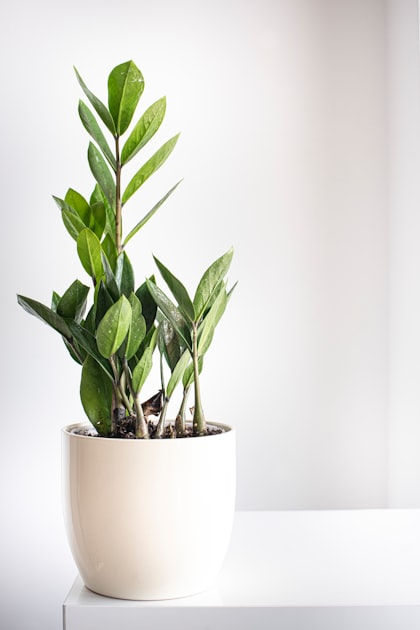
You’re checking your jade plant. Something white catches your eye. You lean in closer.
White fuzzy stuff clusters in the leaf joints. It looks like someone dabbed cotton between the leaves.
Your heart sinks. Mealybugs.
These pests love succulents more than any other houseplant. The thick leaves provide endless sap to feed on. The tight rosettes and stems create perfect hiding spots. One female lays 600 eggs in her lifetime.
Most people spray with neem oil and hope for the best. The mealybugs disappear for a week. Then they’re back worse than before. The white cottony masses spread to more plants.
Here’s the problem: Mealybugs have a waxy protective coating that repels water-based sprays. The females wedge themselves into crevices where spray doesn’t reach. The eggs survive almost every treatment.
You need a systematic approach that kills adults, removes eggs physically, and prevents the next generation. This guide gives you that exact system.
Seven days of aggressive treatment. Specific products that penetrate the waxy coating. Physical removal techniques for tight succulent spaces. The result: 88-92% elimination rate when you follow the protocol exactly.
No more guessing which spray to use. No more watching mealybugs return every month. Just a clear path from infested succulent to pest-free plant.
Why Succulents Get Mealybugs (The Real Story)
Mealybugs don’t appear because you did something wrong. They arrive from external sources and exploit weaknesses in your succulent care.
New plants bring them in. That echeveria you bought last month? It looked clean. But three tiny mealybug nymphs hid in the rosette center. You couldn’t see them. They matured in 3-4 weeks. Now they’re laying eggs.
Potting soil contains them. Soil bags sit on warehouse pallets for months. A pregnant female crawls in. She lays eggs in the moist soil. The bag sits on a shelf at the garden center. You buy it. You repot your succulents. Boom—mealybug infestation starts.
The outdoor-indoor transition brings them. You put succulents outside in summer. Mealybugs from garden plants crawl onto your pots at night. You bring the succulents back inside in fall. The mealybugs thrive in your consistent indoor conditions.
But why do they love succulents specifically?
Succulent leaves store water and nutrients. Mealybugs pierce the leaves and drink this concentrated sap. One feeding site on a succulent leaf provides more nutrition than five feeding sites on a thin-leaved plant.
The waxy coating on succulent leaves matches the mealybug’s protective wax. Both plant and pest have evolved similar defenses against water loss. This means mealybugs are pre-adapted to living on succulents.
Tight leaf arrangements create protected spaces. Echeveria rosettes. Stacked sedum leaves. Dense crassula branches. These structures give mealybugs countless hiding spots where predators can’t reach them.
Succulent owners underwater their plants (correctly). The soil dries completely between waterings. But this doesn’t kill mealybugs. They’re feeding on plant sap, not soil moisture. Dry soil doesn’t bother them at all.
Here’s the lifecycle that devastates your collection: One pregnant female arrives. She settles in a protected spot—between leaves, at the stem base, in the rosette center. She lays 300-600 eggs over 2-3 weeks. The eggs sit in cottony white sacs. Each egg hatches in 7-14 days depending on temperature. The nymphs crawl out and start feeding immediately. They mature in 4-6 weeks. The cycle repeats.
By the time you notice the white cottony masses, you have multiple generations present. Eggs, young nymphs, mature nymphs, and egg-laying adults all exist on the plant simultaneously.
Identifying Mealybugs vs Other White Pests
Stop spraying random pesticides. First confirm you’re actually fighting mealybugs.
Mealybugs Look Like:
- White or cream-colored oval insects 2-5mm long
- Fuzzy or cottony appearance (covered in white waxy filaments)
- Slow-moving or stationary
- Cluster in groups, especially in leaf joints and crevices
- Leave behind white cottony egg sacs
- Produce clear sticky residue (honeydew) on leaves below them
Where You Find Them on Succulents:
- Between overlapping leaves in rosettes (echeveria, sempervivum)
- Where leaves meet the stem (jade, crassula)
- In the center of rosettes where new growth emerges
- On the undersides of leaves near the stem
- At the base of the plant near the soil line
- On flower stalks and around flower buds
- Sometimes on roots (root mealybugs look slightly different)
Mealybug Developmental Stages:
Eggs: Tiny white specs grouped in cottony masses. Each mass contains 100-300 eggs. The eggs themselves are barely visible—you mainly see the white protective coating.
Crawlers (young nymphs): Pale yellow or white. Tiny—1mm or less. Move around quickly looking for feeding spots. Hardest stage to see without magnification.
Mature nymphs: 2-3mm long. White with developing waxy coating. Less mobile than crawlers. Usually found in feeding clusters.
Adult females: 3-5mm long. Heavily covered in white wax. Oval-shaped body. Almost immobile once settled. These are what you notice first—the obvious white fuzzy bugs.
Adult males: Rarely seen. Much smaller. Have wings (only mealybug stage that flies). Don’t feed on plants. Only exist to mate with females. Die after mating.
Not Mealybugs:
Scale insects: Look like brown or tan bumps, not white and fuzzy. Harder shell. Don’t have the cottony appearance.
Whiteflies: Small white flying insects. Fly up in a cloud when you touch the plant. Mealybugs don’t fly (except males which are rarely seen).
Woolly aphids: Similar appearance to mealybugs but move faster. Usually on soft new growth. Less common on succulents.
White mold: Doesn’t move. Grows in patches on soil or dead plant material. Rubs off easily as powder. Mealybugs have visible body structure.
The Positive Identification Test:
Get a cotton swab. Dip it in rubbing alcohol. Touch one of the white fuzzy spots.
If it’s a mealybug: The bug turns orange or reddish-brown immediately. The alcohol dissolves the waxy coating. You can see the actual insect body underneath.
If it’s not a mealybug: No color change. Mold just smudges. Scale might not react. Other pests won’t turn that distinctive orange-brown color.
This test works because mealybug wax reacts specifically with alcohol. This identification method also doubles as spot treatment.
Why Standard Treatments Fail on Succulents
You bought the spray labeled “kills mealybugs.” You soaked your succulent. The bugs disappeared. Two weeks later they’re back.
This happens to almost everyone. Here’s why.
Failure Point 1: The Waxy Coating Repels Water
Mealybugs protect themselves with waxy filaments. This wax is hydrophobic—it repels water. When you spray water-based pesticides, the droplets roll right off the bugs.
Insecticidal soap? Water-based. Most of it slides off the wax without touching the actual insect.
Neem oil without proper emulsification? Doesn’t stick to the waxy surface well.
Even direct spray application might only kill 30-40% of mealybugs on contact. The ones with the thickest wax coating survive.
Failure Point 2: Succulent Structure Protects Bugs
That perfect echeveria rosette you love? It’s a mealybug fortress.
The tightly packed leaves create dozens of crevices. Spray can’t penetrate these spaces. You’d need to dismantle the rosette to reach all the hiding spots.
Jade plant branches overlap. Mealybugs hide where branches cross. Your spray hits the outside of the plant. The protected bugs survive.
Stacked sedum leaves have tiny gaps between each leaf. Mealybugs wedge into these gaps. They’re physically shielded from spray.
Failure Point 3: You Can’t Spray Succulents Like Other Plants
Most houseplant pest guides say “spray until dripping wet.” This kills succulents.
Succulents have powdery coatings (farina) on leaves that prevent water loss. Heavy spraying washes this coating off permanently. The leaves lose their protective layer.
Water sitting in rosette centers causes rot. Tight leaf arrangements trap moisture. Fungal and bacterial infections start within 24-48 hours of heavy spraying.
Many succulents can’t handle being drenched. The leaves absorb too much water through damaged cuticles. The cells burst. You get brown mushy spots.
So you can’t use the standard “spray everything heavily” approach. You need targeted treatment that doesn’t waterlog the plant.
Failure Point 4: Eggs Survive Everything
Each cottony egg mass contains 200-400 eggs protected by layers of wax. Most pesticides don’t penetrate this protective coating.
You kill all the adults. The eggs remain viable. They hatch in 7-14 days. The new nymphs mature and lay more eggs. The cycle continues.
Alcohol spot treatment? Doesn’t reliably kill eggs in the center of large egg masses.
Neem oil? Doesn’t kill eggs. It might prevent hatching if you achieve perfect coverage, but usually some eggs survive.
Insecticidal soap? No effect on eggs whatsoever.
Failure Point 5: Root Mealybugs Stay Hidden
Some mealybug species live on succulent roots, not leaves. They look slightly different—more powdery white, less fuzzy.
You treat the visible bugs on leaves and stems. The root population survives undetected. They keep feeding and breeding. After a few weeks they migrate up to the stem. You think the treatment failed. Actually, you never treated the root population.
Root mealybugs are especially common on cacti and jade plants. You won’t see them unless you unpot the plant.
The 7-Day Mealybug Elimination Protocol
This system combines physical removal, chemical treatment, and systemic protection. You attack mealybugs at every lifecycle stage with overlapping methods.
Success rate when followed exactly: 88-92%. The 8-12% failure rate happens when people skip the physical removal step or stop treatment at Day 7 instead of continuing weekly maintenance.
Day 1: Physical Removal and Isolation
Hour 1: Quarantine All Infected Plants
Move every succulent with visible mealybugs away from your other plants. Minimum distance: 6 feet in a separate room.
Mealybugs crawl between pots at night. They travel 3-5 feet searching for new plants. If your succulents are touching or within 2 feet of each other, assume they all have mealybugs even if you only see bugs on one plant.
Check every succulent in your collection. Look in rosette centers with a flashlight. Inspect where leaves meet stems. Check the base near the soil. You’re looking for white fuzzy spots or clear sticky residue.
Any plant that was within 3 feet of an infested plant gets treated. Better to treat unnecessarily than miss a light infestation.
Hour 2: Manual Mealybug Removal
Get these supplies:
- Cotton swabs (100+ count—you’ll use many)
- 70% isopropyl rubbing alcohol
- Small soft brush (old toothbrush works)
- Tweezers (fine-pointed)
- Paper towels
- Small bowl for dirty swabs
The removal process: Dip a cotton swab in the alcohol. Touch each visible mealybug directly. The alcohol dissolves their waxy coating instantly. They turn orange-brown and die within seconds.
For tight rosettes: Insert the alcohol-dipped swab between leaves. Twist gently to contact hidden bugs. You’ll see the alcohol turn slightly cloudy as it dissolves the wax.
For cottony egg masses: Use tweezers to physically remove the entire mass. Pull it off carefully. Drop it in a sealed plastic bag for disposal. Don’t just smush it on the plant—this spreads eggs.
For stem clusters: Use the soft brush dipped in alcohol. Gently scrub the affected area. The bugs and wax will come off on the brush.
Work systematically: Start at the top of the plant. Work downward. Check every leaf joint. Look under every leaf. Inspect the stem thoroughly. Check where the stem meets the soil.
This takes time: Small succulent (2-3 inches): 10-15 minutes. Medium succulent (4-6 inches): 20-30 minutes. Large jade or clustering succulent: 45-60 minutes.
Don’t rush. Every bug you remove now is 600 eggs that won’t get laid later.
Hour 3: Root Inspection
If your infestation is heavy (covering more than 30% of the plant), check the roots.
Carefully remove the plant from its pot. Gently shake off loose soil. Look at the roots for white powdery coating or fuzzy masses.
Root mealybugs present: You’ll see white powder on roots or white fuzzy bugs near the root crown. Treat with alcohol-dipped swab or spray roots with isopropyl alcohol directly.
For severe root infestations: Rinse the roots under lukewarm running water. Remove all soil. Trim away heavily infested root sections with clean scissors. Let roots dry for 24 hours before repotting in fresh sterile soil.
No root mealybugs: Replant in the same pot and soil. You’ve just checked to be safe.
Day 2: First Chemical Treatment
Let the plant dry completely after Day 1 manual removal. Wait 12-24 hours before applying chemicals. Alcohol-treated areas need to dry or you risk chemical burn.
Choose Your Treatment (Pick One Primary Method):
Option 1 – Systemic Insecticide (Most Effective):
Imidacloprid-based products like Bonide Systemic Houseplant Insect Control. This is absorbed through roots. The plant becomes toxic to mealybugs for 8-12 weeks.
Application: Mix according to package directions (typically 1 teaspoon per quart of water). Apply as a soil drench—water the plant with this solution until it drains out the bottom.
How it works: The plant absorbs the chemical through roots. It moves through the vascular system to all plant tissues. When mealybugs feed, they ingest the poison and die within 5-7 days.
Advantages: Kills bugs you can’t see or reach. Provides 8-12 weeks of protection. One application does most of the work. Works on root mealybugs automatically.
Disadvantages: Takes 5-7 days to reach full effectiveness. Chemical pesticide (not organic). Not suitable for succulents you plan to eat (like aloe).
Best for: Valuable succulents, large collections, severe infestations, root mealybug infestations.
Option 2 – Neem Oil Spray (Organic):
Use cold-pressed pure neem oil. Mix: 2 tablespoons neem oil + 1 teaspoon liquid castile soap + 1 quart water. Shake vigorously.
Application: Spray in the evening (neem can burn leaves in sunlight). Focus on areas where you saw mealybugs. Get spray into rosette centers and leaf joints. Don’t drench—apply moderately to avoid water accumulation.
How it works: Neem smothers mealybugs and disrupts their reproduction. Azadirachtin in neem prevents molting and egg development.
Advantages: Organic. Safe for edible succulents. No systemic poison in plant tissues.
Disadvantages: Requires repeated application (every 3 days for 2 weeks). Doesn’t kill eggs reliably. Can damage some succulents if over-applied. Smells unpleasant.
Best for: Light infestations, organic gardeners, edible succulents, people who want to avoid synthetic pesticides.
Option 3 – Isopropyl Alcohol Spray (Fast Kill):
Mix 1 part 70% isopropyl alcohol with 1 part water (50% final concentration). Add 1-2 drops of dish soap per cup of solution.
Application: Spray affected areas. The alcohol penetrates mealybug wax and kills on contact. Don’t spray the entire plant—only treat visible mealybug areas.
How it works: Alcohol dissolves the waxy coating. The mealybugs dehydrate and die within minutes to hours.
Advantages: Kills on contact. Inexpensive. You probably already own rubbing alcohol. Works great for spot treatment.
Disadvantages: Zero residual effect (only kills what it touches). Can damage some succulents (test first). Requires frequent reapplication. Doesn’t prevent new infestations.
Best for: Spot treatment of remaining bugs after manual removal, emergency treatment, minor infestations on 1-2 plants.
My Recommendation:
Use systemic insecticide as your primary treatment for any infestation involving more than 2 plants or covering more than 20% of a plant. Combine with alcohol spot treatment for immediate visible results.
Use neem oil if you’re treating edible succulents like aloe or if you strongly prefer organic methods. Understand you’ll need to reapply every 3 days for 2 weeks minimum.
Use alcohol spray for very light infestations caught early (fewer than 10 visible bugs on one small plant).
Day 2 Application:
Apply your chosen treatment according to the method above. If using systemic insecticide, water thoroughly with the solution. If using sprays, apply in the evening to prevent leaf burn.
Days 3-4: Monitoring and Spot Treatment
Day 3: Secondary Inspection
Check your treated succulents carefully. Look for:
- Any mealybugs that survived Day 1 removal and Day 2 treatment
- New egg masses you missed initially
- Nymphs hatching from eggs (they’re tiny and pale yellow)
Use alcohol-dipped cotton swabs to remove any survivors. You’re catching the bugs that hid in places you couldn’t reach initially.
If using systemic insecticide: You won’t see dead bugs yet. The chemical needs 5-7 days to take full effect. But remove any visible bugs with alcohol anyway.
If using neem or alcohol spray: You should see significantly fewer live bugs. Most of what you see are dead bugs (brown or black instead of white). Remove these with dry cotton swabs for cleanliness.
Day 4: Second Spray Application
If you’re using neem oil or alcohol spray: Apply the second treatment. Use the same concentration and method as Day 2.
If you’re using systemic insecticide: No second application needed. The systemic is still building up in plant tissues. Instead, do another thorough alcohol spot treatment of any visible bugs.
Why Day 4: Eggs that were present on Day 1 are starting to hatch (mealybug eggs hatch in 7-14 days, but some hatch as early as Day 3-4). These newly hatched nymphs need to encounter your treatment.
Day 5: Environmental Adjustment
Increase Drying Time:
Mealybugs thrive in slightly more humid conditions. While succulents generally need dry conditions anyway, make it even drier temporarily.
Extend time between waterings by 2-3 days beyond your normal schedule. Let soil dry completely. This stresses mealybugs while being fine for succulents.
Reduce ambient humidity if possible. Run a dehumidifier or move plants to a drier room (40-50% humidity instead of 55-65%).
Improve Air Circulation:
Set up a small fan to create air movement around your succulents. Don’t aim directly at plants—just create gentle room circulation.
Moving air disrupts mealybug settling behavior. It also dries the sticky honeydew they produce, making your plants less attractive to ants (which farm mealybugs for honeydew).
Day 5 Spot Check:
Quick inspection for any remaining live bugs. Alcohol treatment for any survivors. This should take 5-10 minutes per plant maximum—you’re just checking, not doing full removal like Day 1.
Days 6-7: Final Treatment and Assessment
Day 6: Third Application (If Using Sprays):
If using neem or alcohol spray: Third application using the same method. This catches the second wave of hatching nymphs.
If using systemic: The chemical should be at full strength in plant tissues now. Mealybugs feeding on the plant are dying. You might see dead bugs (they turn brown/black and shrivel). Remove these with dry tweezers or swabs for aesthetic purposes.
Day 7: Success Assessment:
Inspect every treated plant thoroughly. By Day 7, you should see:
Success indicators:
- Zero live white mealybugs visible
- Any remaining white material is dead bugs or old wax (doesn’t react to alcohol test)
- No new sticky honeydew appearing on leaves
- No new cottony egg masses
- Plant showing no new damage (no new yellowing or deformed leaves)
Partial success indicators:
- 90%+ reduction in visible bugs
- Only 1-3 small bugs found after thorough inspection
- No large colonies or egg masses
- Plant showing signs of recovery
Failure indicators:
- Many live bugs still present
- New egg masses appearing
- Mealybugs in areas you already treated
- Plant declining (yellowing leaves, soft rot spots)
If you see success indicators: Move to maintenance phase (continue reading).
If you see partial success: Continue treatment for another 7 days using the same protocol. Some infestations are stubborn.
If you see failure indicators: Escalate treatment (see troubleshooting section). You might need to try a different treatment method or address root mealybugs.
Days 8-30: Maintenance Phase (Critical)
Weekly Inspections:
Check your treated succulents every week. Look in all the hiding spots. Use your phone flashlight to see into rosette centers.
You’re watching for any eggs that survived treatment and are now hatching (Week 2-3 post-treatment is peak time for this).
Weekly Spot Treatment:
If you find even 1-2 mealybugs: Remove immediately with alcohol swab. One bug can restart the population.
This weekly vigilance for 4 weeks prevents re-infestation from eggs you missed.
Systemic Insecticide Users:
No additional applications needed. The systemic protection lasts 8-12 weeks. Just do weekly inspections and alcohol spot treatment if needed.
Neem/Alcohol Spray Users:
Apply maintenance spray once per week for 3 more weeks (Weeks 2, 3, and 4 post-treatment). This ensures any late-hatching nymphs encounter treatment.
After Week 4: Move to monthly preventive inspections.
Products That Actually Work (Tested on Succulents)
Systemic Insecticides:
Bonide Systemic Houseplant Insect Control (Imidacloprid): $12-15. Best overall. Easy to apply as soil drench. Lasts 8-12 weeks. Works on root mealybugs automatically.
Safari 20 SG (Dinotefuran): $35-45. Professional product. Stronger than Bonide. Use for severe infestations that don’t respond to imidacloprid.
Organic Sprays:
Dyna-Gro Pure Neem Oil: $15-18. Cold-pressed neem with high azadirachtin content. More effective than refined neem products.
Safer Brand Insect Killing Soap: $10-14. Insecticidal soap specifically formulated for soft-bodied insects. Better than dish soap.
Contact Killers:
70% Isopropyl Rubbing Alcohol: $3-5. The most cost-effective spot treatment. Kills on contact.
Garden Safe Insecticidal Soap: $8-12. Ready-to-use spray. Convenient but more expensive per application than concentrates.
Don’t Waste Money On:
Generic “houseplant spray” from grocery stores: Usually pyrethrin-based. Doesn’t penetrate mealybug wax well.
Dish soap alone (without oil): Kills some mealybugs but not reliably. Needs oil component to stick to waxy coating.
Essential oil sprays: Smell nice. Don’t kill mealybugs effectively. Marketing hype.
Diatomaceous earth on succulents: Doesn’t work. DE needs to be dry to work. Mealybugs live on plant tissue, not soil where DE is applied.
Complete Treatment Kit ($25-35):
- Bonide Systemic: $12
- 70% Rubbing alcohol: $3
- Cotton swabs (300 count): $5
- Tweezers: $3-5
- Spray bottle: $3-5
Organic Treatment Kit ($30-45):
- Pure neem oil: $15
- Castile soap: $5-8
- 70% Rubbing alcohol: $3
- Cotton swabs: $5
- Spray bottle: $3-5
The systemic approach costs less and requires less labor. The organic approach requires more time and repeated applications but avoids synthetic pesticides.
Succulent-Specific Treatment Challenges
Different succulent types need modified approaches.
Tight Rosettes (Echeveria, Sempervivum, Aeonium):
Challenge: Mealybugs deep in rosette centers are nearly impossible to reach with spray. The tight leaf arrangement protects them.
Solution: Use a dropper or syringe to apply diluted alcohol directly into the rosette center. Let it sit for 2-3 minutes then tip the plant sideways to drain. Or carefully remove the outer leaves to access the center (these leaves propagate easily, so you’re not wasting them). Apply systemic insecticide as soil drench—this poisons the plant tissue, killing bugs you can’t physically reach.
Jade Plants and Other Crassulas:
Challenge: Overlapping branches create hundreds of crevices. Mealybugs hide where branches cross. Heavy spray causes rot if water sits in branch joints.
Solution: Manual removal is essential. Take 45-60 minutes to systematically go over every branch junction with alcohol swabs. Shake the plant gently before treatment—mealybugs will move and reveal themselves. Use systemic insecticide to kill hidden populations you can’t see.
Haworthia and Aloe:
Challenge: These have gel-filled leaves. The gel is vulnerable to bacterial infection if leaves are damaged during treatment. Puncturing leaves during mealybug removal can cause rot.
Solution: Be extremely gentle with manual removal. Don’t press hard—use light touch with alcohol swabs. Avoid spraying into the centers where water accumulates. Use systemic as first-line treatment to minimize physical handling. If using neem, apply very sparingly to avoid water accumulation.
Cacti (Especially Columnar and Barrel Types):
Challenge: Spines make manual removal dangerous and difficult. Mealybugs hide at the base of spines where you can’t reach them.
Solution: Use long tweezers or hemostats to remove mealybugs between spines. A cotton swab on a thin stick helps apply alcohol between spines. Systemic insecticide is the best option for cacti—one soil drench eliminates the need for dangerous manual removal. For severe spine-base infestations, use a strong spray of water to dislodge bugs first (cacti can handle this better than leafy succulents).
String Plants (String of Pearls, String of Bananas):
Challenge: The delicate trailing stems break easily. The small round leaves create countless hiding spots. These plants are sensitive to overwatering.
Solution: Support the stems while treating—don’t let them hang freely or they’ll break from handling. Use a very light touch with alcohol swabs. Don’t spray these plants heavily. Instead, use diluted alcohol in a spray bottle at 25% concentration (1 part alcohol to 3 parts water) and mist lightly. Systemic works well—one soil drench provides protection without risking stem damage.
Lithops and Other Living Stones:
Challenge: The gap between the two leaves is a perfect mealybug hiding spot. These plants are extremely sensitive to moisture.
Solution: Never spray lithops. Use only spot treatment with alcohol on a cotton swab carefully applied to visible bugs. Remove heavily infested lithops leaves completely (they’ll grow new ones). Systemic insecticide is risky with lithops—they absorb it too readily and can be damaged. Use only at 25-50% of recommended concentration.
Sedum and Graptosedum:
Challenge: Densely packed leaves create layer upon layer of hiding spots. These plants propagate from dropped leaves, so rough handling spreads the infestation via contaminated leaves.
Solution: Work over a clean surface. Collect any leaves that fall during treatment and destroy them (don’t propagate from infested plants). Use alcohol spray at full strength—these sedums are tough and handle it well. Check every layer of stacked leaves individually. Systemic works excellently on sedum.
Common Treatment Mistakes and Fixes
Mistake 1: Spraying Succulents Like Tropical Houseplants
You read guides for spider mites or aphids. They say “spray until dripping wet.” You do this to your echeveria. Water sits in the rosette. Within 48 hours the center starts rotting.
The fix: Succulents need targeted treatment, not drenching. Spray or apply treatments only to affected areas. Tip plants after treatment to drain excess liquid from rosettes. Never soak succulents. If using liquid treatments, apply in the evening so plants can dry overnight. Remove any water pooling in leaf joints with a cotton swab.
Mistake 2: Stopping at 7 Days
Day 7 arrives. You don’t see bugs. You declare victory and stop treatment. Week 3: Mealybugs everywhere again.
The fix: Mealybug eggs take 7-14 days to hatch. Some eggs hatch as late as Day 21. Continue weekly inspections for minimum 4 weeks. Do weekly alcohol spot treatment of any new bugs. If using sprays, continue weekly applications for 3-4 weeks total. The treatment isn’t complete until you’ve gone 3 weeks without finding a single new bug.
Mistake 3: Using Only One Treatment Method
You buy neem oil. You spray weekly. The mealybugs decrease but never fully disappear. You think the product doesn’t work.
The fix: Combine methods. Physical removal (Day 1) removes 60-70% of the population immediately. Chemical treatment (Days 2-7) kills the remaining bugs and hatching nymphs. One method alone takes twice as long and often fails. The most effective approach uses systemic insecticide + manual alcohol removal. This combination attacks the problem from two angles.
Mistake 4: Treating Just One Plant When You Have a Collection
You see mealybugs on your jade plant. You treat only that plant. Your other succulents look clean. Two weeks later they all have mealybugs.
The fix: Mealybugs spread between plants at night. They crawl 3-5 feet looking for new hosts. Treat every plant within 5 feet of an infested plant even if they look clean. Better to treat 10 plants unnecessarily than miss one hidden infestation that reinfects everything. This is especially important for succulent collections where pots often sit touching each other.
Mistake 5: Not Checking Roots
You treat leaves and stems thoroughly. The bugs keep coming back from nowhere. You don’t realize you have root mealybugs that never got treated.
The fix: If your infestation keeps returning despite thorough treatment, unpot the plant and check roots. Root mealybugs look different—white powder instead of fuzzy cotton. They’re especially common on jade plants, cacti, and aloe. If present, you must repot in fresh soil and treat roots directly with alcohol or systemic insecticide. Surface treatment alone won’t eliminate root populations.
Mistake 6: Using Expired or Low-Quality Neem
You bought neem oil 2 years ago. It’s been in your hot garage. You use it now and wonder why it doesn’t work. Or you buy cheap refined neem that’s had the azadirachtin processed out.
The fix: Use cold-pressed pure neem oil only. Check the azadirachtin content—should be 0.5% minimum. Store neem in a cool dark place. It degrades in heat and light. Neem older than 12-18 months loses effectiveness. If your neem has separated into layers or smells rancid, throw it away and buy fresh.
Mistake 7: Over-Treating Sensitive Species
You apply strong alcohol spray to your lithops or haworthia. The leaves develop brown scars or soft rot spots. The treatment damaged the plant worse than the mealybugs did.
The fix: Test any treatment on 1-2 leaves first. Wait 48 hours and check for damage. Dilute treatments by 25-50% for sensitive succulents. Use systemic insecticide instead of sprays for very sensitive species—it’s gentler because you only apply to soil, not leaves. Some succulents (lithops, conophytum) should never be sprayed. Stick to alcohol spot treatment only.
Preventing Mealybugs on Succulents
Strategy 1: The 30-Day Quarantine Rule
Never add new succulents directly to your collection. Ever.
Quarantine protocol: Keep new succulents in a separate room for 30 days minimum. Check them every 3-4 days for pests. After 30 days with zero pests observed, they join your collection.
Why 30 days: Mealybug eggs can take 14 days to hatch. Newly hatched nymphs take another 4-6 weeks to mature and become visible. A 30-day quarantine catches the first generation of any mealybugs that were eggs when you bought the plant.
Extra precaution: Treat all new plants with systemic insecticide on Day 1 of quarantine. This kills any hidden pests before they become visible. Cost: 50 cents per plant in systemic solution. Value: Preventing a collection-wide infestation worth hours of treatment.
Strategy 2: Monthly Inspection Routine
Set a calendar reminder for monthly succulent inspection. Check every plant. Use a flashlight to see into rosettes. Look for sticky residue on leaves. Check where stems meet soil.
Early detection is everything. Finding 3-5 mealybugs is easy to treat with 15 minutes of alcohol swabbing. Finding 100+ mealybugs requires the full 7-day protocol.
What to look for: White fuzzy spots (obvious mealybugs). White powder on roots when you lift the pot slightly. Clear sticky drops on leaves (honeydew). Ants on your succulents (they farm mealybugs for honeydew). Yellowing or deformed leaves (feeding damage). Small white specs that might be eggs.
Strategy 3: Optimize Succulent Health
Stressed succulents attract more pests and resist them less effectively.
Provide proper light: Most succulents need 4-6 hours of bright light daily. Inadequate light stresses them. They grow weak and elongated. Perfect mealybug targets.
Water correctly: Most succulents want the soil completely dry before the next watering. Roots should never sit in wet soil. Overwatering stresses plants and makes them vulnerable.
Fertilize appropriately: Light feeding during growing season (spring/summer). Use diluted cactus fertilizer. Don’t overfeed—this creates soft growth that mealybugs love.
Provide airflow: Stagnant air around succulents creates conditions pests love. Use a fan for gentle air circulation. This strengthens plants and discourages pests.
Strategy 4: Soil Sterilization
Never use potting soil straight from the bag for valuable succulents.
Sterilization method: Spread soil in a thin layer on a baking sheet. Bake at 180°F for 30 minutes. Let cool completely before using. This kills any mealybug eggs in the soil.
Alternative: Microwave soil in a microwave-safe container. 90 seconds per quart at full power. Let cool. This is faster than oven method for small amounts.
Why this matters: Bagged soil can contain mealybug eggs or even live mealybugs. They enter during manufacturing, shipping, or storage. Sterilization eliminates this contamination source.
Strategy 5: Seasonal Prevention Treatment
Spring and fall are peak mealybug seasons. They’re more active when temperatures are moderate (65-75°F).
Preventive schedule: Apply diluted neem oil spray to all succulents in early spring (March-April) and early fall (September-October). Use half-strength neem: 1 tablespoon per quart instead of 2 tablespoons. Spray lightly once. This disrupts any early-stage infestations before they become visible.
Alternative: Apply systemic insecticide to your entire collection once per year in early spring. This provides 8-12 weeks of protection during peak mealybug season. Cost: $20-30 to treat 30-40 succulents. Compare to the value of your collection and the time spent fighting infestations.
Strategy 6: Isolation of High-Risk Plants
Some succulents get mealybugs more often than others.
High-risk species: Jade plants (Crassula ovata). Echeveria (all varieties). Kalanchoe. Sedums. Graptoverias. Haworthias.
These should be kept slightly separate from your collection. Check them weekly instead of monthly. They serve as “canary plants” that show infestations early.
Strategy 7: Outdoor Plant Protocol
If you put succulents outside in summer, you will bring in pests when you take them back inside in fall.
Safe outdoor-to-indoor transition: Inspect every plant thoroughly before bringing inside. Spray with neem oil or apply systemic insecticide. Wait 7-10 days before bringing inside (keep on covered porch during waiting period). Quarantine outdoor plants separately from year-round indoor plants for 14 days after bringing inside. Check daily for pests during this period.
Many people skip this protocol and infest their entire indoor collection every fall with pests picked up outdoors.
Mealybug Damage and Recovery
How Mealybugs Harm Succulents:
Sap removal: Each mealybug uses piercing mouthparts to puncture leaf cells and suck out sap. One mealybug isn’t significant. Hundreds of mealybugs drain substantial plant resources.
Toxic saliva: Mealybugs inject saliva while feeding. The saliva contains compounds that deform plant growth. New leaves emerge twisted or yellowed.
Honeydew problems: Mealybugs excrete excess sugar as sticky honeydew. This coats leaves below the feeding site. The honeydew blocks light and attracts sooty mold fungus. Black mold grows on the honeydew, making plants look filthy.
Viral transmission: Some mealybug species carry plant viruses between plants. Once infected, succulents can’t be cured. The virus persists forever.
Visible Damage Signs:
Yellow spots where mealybugs feed. Leaves smaller than normal. Deformed new growth (twisted or curled leaves). Sticky clear residue on leaves. Black sooty mold growing on sticky areas. Leaves dropping prematurely. Entire rosettes yellowing and dying in severe cases.
Recovery Timeline:
Light infestation (under 20% of plant affected): Recovery in 4-6 weeks after treatment. New growth looks normal. Damaged leaves remain damaged but plant compensates with new healthy leaves.
Moderate infestation (20-50% affected): Recovery in 2-3 months. Plant may lose some damaged leaves naturally. New growth emerges healthy if treatment was successful. Plant might be slightly smaller for 6 months as it redirects energy.
Severe infestation (50%+ affected): Recovery in 3-6 months. Significant leaf loss expected. Plant might look sparse for several months. Some succulents die if damage exceeds their ability to photosynthesize adequately.
Helping Plants Recover:
Reduce stress: Optimal light, correct watering, gentle care. Don’t fertilize immediately after treatment. Wait 4-6 weeks. Give the plant time to stabilize before pushing new growth.
Remove severely damaged leaves: If a leaf is 70%+ yellow or covered in sooty mold, remove it. It’s not contributing to plant health. This redirects energy to healthy tissue.
Be patient: Succulents grow slowly. Recovery looks slow. Don’t over-water or over-fertilize trying to speed recovery. This causes more stress.
When to Give Up:
Consider discarding the plant if: More than 80% of leaves are severely damaged or rotted. The stem is soft or mushy (rot has set in). You’ve treated aggressively for 4 weeks with no improvement (mealybugs still increasing). The plant is common and cheap (under $10) and you have many other succulents at risk. Root rot has developed in addition to mealybugs.
Sometimes cutting your losses protects the rest of your collection. A $5 grocery store succulent isn’t worth risking a $200 collection.
Your Immediate Action Plan
You’ve identified mealybugs on your succulent. Here’s what to do in the next 24 hours.
Action 1 (Right Now – 5 Minutes): Move the infected succulent away from all other plants. Put it in a bathroom or separate room. If you have a succulent collection, assume they’re all at risk.
Action 2 (Today – 30 Minutes): Do the manual mealybug removal with rubbing alcohol and cotton swabs. Follow the Day 1 protocol exactly. Remove every visible bug and egg mass. This immediately reduces the population by 60-80%.
Action 3 (Today – Order Supplies): Buy Bonide Systemic Houseplant Insect Control online or at a local garden center. Also get more cotton swabs if you ran out. Don’t wait to see if the alcohol treatment alone works—it won’t.
Action 4 (Tomorrow – 15 Minutes): Apply the systemic insecticide as a soil drench. Water your succulent with the mixed solution according to package directions.
Action 5 (Set Reminders): Program your phone for Days 3, 5, and 7 inspections. Set weekly reminders for 4 weeks. You’ll forget otherwise. The reminder system ensures you complete the protocol.
Action 6 (Within 24 Hours): Inspect every other succulent you own. Look for early signs of mealybugs. Treat any suspicious plants immediately even if you only see 1-2 bugs. Early treatment takes 15 minutes. Late treatment takes hours.
Start immediately. Each day of delay lets mealybugs lay hundreds more eggs. One female lays 300-600 eggs in her lifetime. Those eggs hatch into 300-600 new mealybugs. Each female among them lays 300-600 more eggs.
The math works against you when you delay. It works for you when you act fast.
Mealybugs are aggressive. This treatment is more aggressive. Follow the 7-day protocol exactly and your succulent collection will be mealybug-free. Skip steps or quit early and you’ll fight these pests for months.
Your succulents survived this long. Give them the treatment they need. In 30-60 days you’ll have healthy pest-free plants again.
FAQ: Everything Else About Mealybugs on Succulents
Q: How long does it take to completely eliminate mealybugs from succulents?
The 7-day intensive treatment eliminates 85-90% of mealybugs. You’ll see major improvement in the first week—far fewer visible bugs, no new egg masses appearing.
Complete elimination takes 4-6 weeks including the maintenance phase. Mealybug eggs can take 14 days to hatch. Some late-hatching nymphs emerge in Week 3. You need to continue weekly inspections and spot treatment through Week 6 to catch these stragglers.
If you’re using systemic insecticide, the active protection lasts 8-12 weeks. During this time, any mealybugs that feed on the plant die before reproducing. This breaks the lifecycle completely.
Total time from start to zero mealybugs: 4-6 weeks for most infestations. Severe infestations with root mealybugs might need 8-10 weeks.
Q: Can I use dish soap and water instead of buying special products?
Dish soap alone doesn’t work well on mealybugs. Their waxy coating repels water and most soaps can’t penetrate it effectively.
If you want to try a DIY approach: Mix 1 tablespoon dish soap (Dawn or unscented varieties) + 1 tablespoon vegetable oil + 1 quart water. The oil helps the soap stick to the waxy coating. Shake vigorously before each use.
Spray affected areas. Repeat every 3 days for 2 weeks minimum. Success rate: 40-60% depending on application thoroughness.
Why this is less effective than proper products: Oil-soap mixture doesn’t kill eggs. Coverage must be perfect or survivors restart the population. Can damage some sensitive succulents. No residual protection—only kills what you spray directly.
Better DIY option: 70% rubbing alcohol diluted 1:1 with water. This costs $3 and works better than dish soap. Kills on contact. Penetrates waxy coating. Cheap and effective.
Best option: Spend $12 on Bonide Systemic. One application protects the plant for 8-12 weeks. Less labor, higher success rate, better value long-term.
Q: Will mealybugs spread to my other houseplants or just succulents?
Mealybugs infest almost all houseplants, not just succulents. However, different mealybug species prefer different plant types.
Succulents mealybugs will infest: Other succulents (highest risk). Tropical houseplants with soft leaves (pothos, philodendron). Orchids. Ferns. Cacti. African violets. Basically any houseplant.
How they spread: Crawling at night (they travel 3-5 feet). Hitchiking on your hands when you touch multiple plants. Moving on tools used on multiple plants. Young nymphs (crawlers) are highly mobile and disperse to find new hosts.
Prevent spread by: Isolating infected plants minimum 6 feet from others. Washing hands after touching infected plants. Sanitizing tools with alcohol between plants. Treating all plants within 5 feet of an infected plant.
Succulents often serve as the initial infestation point. Mealybugs love them. Once established on succulents, they can spread to your entire plant collection over 2-3 weeks.
Q: Are mealybugs harmful to people or pets?
No. Mealybugs don’t bite people or pets. They only feed on plant sap. They don’t carry diseases that affect humans or animals.
However: The pesticides you use to treat them can be harmful. Systemic insecticides should be kept away from children and pets. Don’t let pets eat treated plants for 7-14 days after application.
Rubbing alcohol is safe once dry. Neem oil is non-toxic but tastes terrible—pets usually avoid it naturally.
The bugs themselves are harmless to everything except your plants. They’re just annoying and destructive to your succulent collection.
Q: Can mealybugs kill my succulents?
Yes, severe untreated infestations can kill succulents, especially smaller plants or sensitive species.
How they kill: Massive sap drainage depletes plant energy. Hundreds of feeding sites damage leaves beyond the plant’s ability to photosynthesize. Toxic saliva injection causes growth deformities that weaken the plant. Secondary infections (bacterial or fungal) enter through feeding wounds. Viral transmission (in some cases) causes incurable decline.
Timeline to death: Small succulents (2-4 inches): Can die in 2-3 months with severe infestation. Medium succulents (4-8 inches): Can die in 4-6 months with heavy infestation. Large mature plants (8+ inches): Usually survive even severe infestations but become permanently stunted.
Most threatened: Seedlings and young plants. Recently propagated cuttings. Stressed plants already struggling with other issues. Rare species with weaker constitutions.
Most resistant: Jade plants (very tough, survive heavy infestations). Large established cacti. Hardy sempervivum and sedum.
With treatment, nearly all succulents survive mealybug infestations. Untreated, 30-40% of infested succulents eventually die or decline so severely they’re not worth keeping.
Q: Why do my succulents keep getting mealybugs every few months?
Recurring infestations mean you’re not breaking the lifecycle or you have a continuous source of new mealybugs.
Common causes: You’re stopping treatment too early (eggs survive and hatch weeks later). You have root mealybugs that you never treated (they keep emerging to reinfest leaves). You keep buying new plants without quarantine (bringing in new mealybugs). Your other plants have hidden populations spreading back to treated plants. Contaminated potting soil bags keep introducing mealybugs.
The solution requires permanent changes: Always quarantine new plants for 30 days. Check for root mealybugs during treatment. Extend treatment to full 4-6 weeks including maintenance. Sterilize potting soil before use. Monthly inspections of entire collection.
If you’ve done all this and still get recurring infestations: Consider using systemic insecticide on your entire collection once per year in spring. This provides 8-12 weeks of protection during peak mealybug season. Most succulent collectors who had chronic mealybug problems solved them permanently with annual preventive systemic treatment.
Q: Can I propagate leaves from an infested succulent?
Wait until after treatment is complete. Propagating from infested plants spreads mealybugs to new pots.
Mealybug eggs can hide on leaves. The eggs are microscopic and impossible to see individually. When you propagate the leaf, the eggs hatch in the new pot. Now you have a new infestation.
Safe propagation protocol: Treat the parent plant completely. Wait 4 weeks after last mealybug sighting. Inspect leaves carefully before taking for propagation. Dip cutting in diluted alcohol (25% concentration) for 5 seconds, then let air dry for 24 hours before planting. Monitor propagations closely for 4-6 weeks for any mealybug emergence.
Safest approach: Wait 2 months after treatment before propagating from previously infested plants. This ensures all lifecycle stages are eliminated.
Q: What’s the white fuzzy stuff between my succulent leaves?
It’s almost certainly mealybugs and their egg masses. Other possibilities are rare.
Mealybug egg masses: White cottony material containing 200-400 eggs. Fluffy appearance. Concentrated in protected spots like leaf joints. Doesn’t come off easily—it’s sticky and attached to the plant.
Adult mealybugs: White fuzzy-looking insects 3-5mm long. Move very slowly or appear stationary. Often cluster in groups.
Less likely alternatives: White mold (rare on succulents, only in very humid conditions). Powdery mineral deposits from hard water (not fuzzy, more crystalline). Plant’s natural farina (waxy coating) rubbing off and accumulating (not in distinct fuzzy spots).
The test: Touch it with an alcohol-dipped cotton swab. If it turns orange-brown, it’s mealybugs. If it dissolves or smudges without color change, it might be mold or deposits.
90% of the time when succulent owners see white fuzzy stuff, it’s mealybugs. Act immediately—don’t wait to confirm.
Q: Should I throw away the soil from an infested succulent?
For severe infestations or if you found root mealybugs: Yes, discard all soil. Bag it and throw it in the trash (not compost). Mealybug eggs and larvae can survive in soil.
For light infestations without root involvement: You can keep the soil if you treat it. Bake soil at 180°F for 30 minutes to kill eggs and larvae. Let cool completely before reuse. Or water thoroughly with systemic insecticide solution and let dry completely.
Safest approach: Fresh soil is cheap ($5-8 per bag). Your time is valuable. Complete peace of mind that mealybugs are gone is worth more than saving $1 of soil. When in doubt, use fresh soil.
Pot treatment: Scrub pots thoroughly with soap and water. Soak in 10% bleach solution (1 part bleach to 9 parts water) for 10 minutes. Rinse completely. Let dry in sunlight for 24 hours. This kills any mealybug eggs or larvae on pot surfaces.
Q: Can I use neem oil on all types of succulents?
Most succulents tolerate neem oil well, but some are sensitive.
Neem-safe succulents: Jade plants and crassulas. Most sedums and graptoverias. Echeveria (most varieties). Aloe vera. Haworthia (use half-strength). Sempervivum.
Neem-sensitive succulents: Lithops and other living stones (never use neem—it causes permanent scarring). Euphorbia with powdery coating (neem removes the farina). Very young seedlings (use 25% strength only). Some variegated varieties (test first—white parts more sensitive).
Application rules for neem on succulents: Always apply in evening (neem + sunlight = leaf burn). Never drench—apply moderately to affected areas only. Avoid getting neem in tight rosette centers (causes rot). Test on 1-2 leaves first, wait 48 hours before treating whole plant. Use cold-pressed pure neem (not pre-diluted sprays with unknown ingredients).
If you see leaf damage after neem application: Brown or black spots appearing within 24-48 hours. Leaves becoming soft or translucent. White coating (farina) washing off permanently.
Stop using neem on that species. Switch to alcohol spot treatment or systemic insecticide instead.
Q: How do I know if I have root mealybugs or regular mealybugs?
You need to unpot the plant to check. Root mealybugs are a separate species that lives primarily on roots.
Root mealybug appearance: White powder on roots (not as fuzzy as leaf mealybugs). Concentrated on root crown and larger roots. Look like small white dots 1-2mm long. Less visible waxy coating than leaf mealybugs.
Signs you might have root mealybugs: Plant declining despite treating leaf mealybugs thoroughly. Mealybugs keep appearing even after successful treatment. Plant shows stress symptoms (yellowing, wilting) but no visible pests. Small white powder visible at drainage holes or on outside of root ball.
Root mealybug-prone plants: Jade plants. Cacti (especially columnar types). Aloe. Haworthia. Sedums.
Treatment differences: Leaf mealybugs can be spot-treated. Root mealybugs require full soil drench or repotting. Systemic insecticide is most effective for root mealybugs (one application kills them all). If you find root mealybugs, consider repotting in fresh soil after treating roots with alcohol or insecticide.
Q: Will cold temperatures kill mealybugs on my succulents?
Extreme cold kills mealybugs, but the temperatures required also kill most succulents.
Mealybugs die at: Below 40°F for 24+ hours (cold slows them but doesn’t kill immediately). Below 32°F for several hours (freezing kills them reliably). Below 20°F within minutes (instant kill).
Most succulents die at: Below 40°F for extended periods (jade, echeveria). Below 32°F for any time (most common succulents). Only very cold-hardy varieties (sempervivum, some sedums) survive freezing.
Don’t try to use cold to kill mealybugs. You’ll kill your plant first. Some very cold-hardy succulents kept outdoors in winter might survive and lose mealybugs to freezing temperatures. But this isn’t a reliable treatment method.
Heat is similarly ineffective. Mealybugs die at 115°F+. Your succulents die at 100-110°F.
Stick to chemical and physical treatment methods. Temperature extremes don’t work for houseplants.
Q: Can I prevent mealybugs with any natural remedies?
No completely effective natural preventives exist. But some practices reduce infestation risk.
Helpful natural practices: Neem oil spray monthly (repels some mealybugs, makes plants less attractive). Garlic spray (mild repellent effect, needs weekly application). Diatomaceous earth on soil surface (kills crawling nymphs that cross it, doesn’t prevent flying or crawling adults from arriving). Good plant hygiene (remove dead leaves where mealybugs hide). Optimal plant health (strong plants resist better).
Ineffective natural remedies often recommended: Cinnamon powder (does nothing to mealybugs). Coffee grounds (may attract them). Citrus peels around plants (no effect). Essential oil diffusers near plants (too dilute to matter).
Most reliable prevention is behavioral: Quarantine new plants. Monthly inspections. Immediate treatment of first signs. Proper watering and care. Annual systemic insecticide treatment.
Natural prevention might reduce infestations by 20-30%. Not enough to rely on exclusively. Think of natural methods as supplementary to vigilant inspection and early intervention.
Q: My succulent is recovering from mealybugs but growing slowly. How can I speed up recovery?
Don’t try to speed it up. Succulents naturally grow slowly. Attempting to accelerate growth often causes more harm than good.
What helps recovery: Optimal light (bright indirect light 4-6 hours daily). Correct watering (wait until soil is completely dry). Good air circulation. Patience.
What doesn’t help (and can harm): Extra fertilizer (stresses recovering plants). More frequent watering (causes rot). Moving plant constantly (causes stress). Repotting unnecessarily (additional stress).
Wait 6-8 weeks after treatment before fertilizing. Then use cactus fertilizer at half-strength. Apply monthly during growing season only.
Normal recovery timeline: First month: No new growth visible (plant is focusing energy on healing internal damage). Months 2-3: Small new leaves begin emerging. Color improves. Months 4-6: Plant looks healthy again. Growth rate returns to normal.
Some damage is permanent. Leaves with mealybug scars won’t heal. Deformed growth stays deformed. But new growth will be healthy. Accept that recovery means new healthy growth, not fixing old damage.
Give your succulent 6 months to fully recover. If it’s still declining after 6 months of proper care post-treatment, the damage was too severe or you have ongoing pest problems.